

Ennis Plastic Surgery · Beautiful Medicine™
Hair Restoration for Men in Boca Raton
A hairline planned for you—and the years ahead.
Explore restoration for a receding hairline, thinning crown or selected eyebrow concerns with the Ennis hair-restoration team.
View Actual Patient ResultsDr. L. Scott Ennis · Credentials & practice recognition

International Society of Aesthetic Plastic Surgery

American Society for Aesthetic Plastic Surgery


Castle Connolly

American Institute of Plastic Surgeons

National Academy of Plastic Surgeons

Palm Beach Illustrated

America’s Most Honored Doctors

RealSelf
A personal approach
Your consultation
with Dr. Ennis.
Hair-restoration planning for men considers the amount and distribution of hair loss, the donor area and the way your hair may change over time. The aim is a considered balance of hairline shape and coverage.
Explore NeoGraft FUE and actual patient comparisons below. Read the full hair-transplant guide for the procedure, or explore nonsurgical thinning-hair treatment.
Consultations: In-Office & Virtual
 Choosing your care team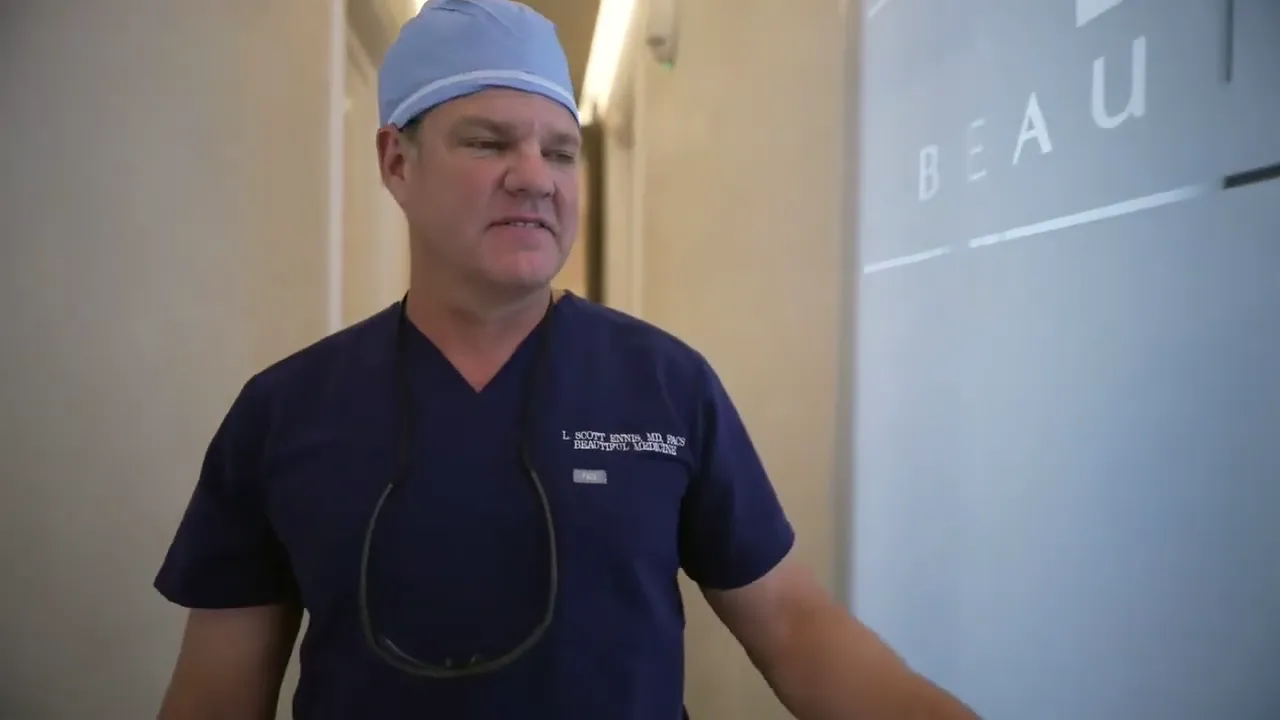
Understanding hair restoration for men
An Introduction to NeoGraft FUE
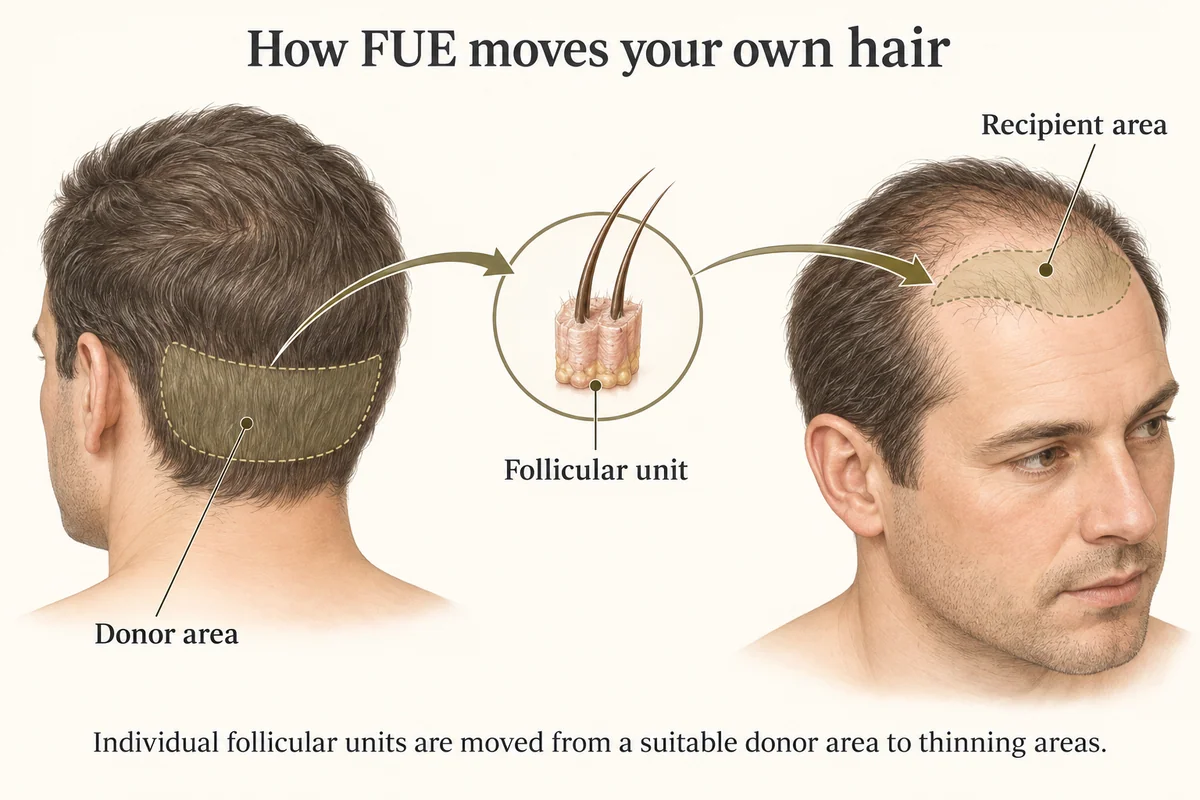
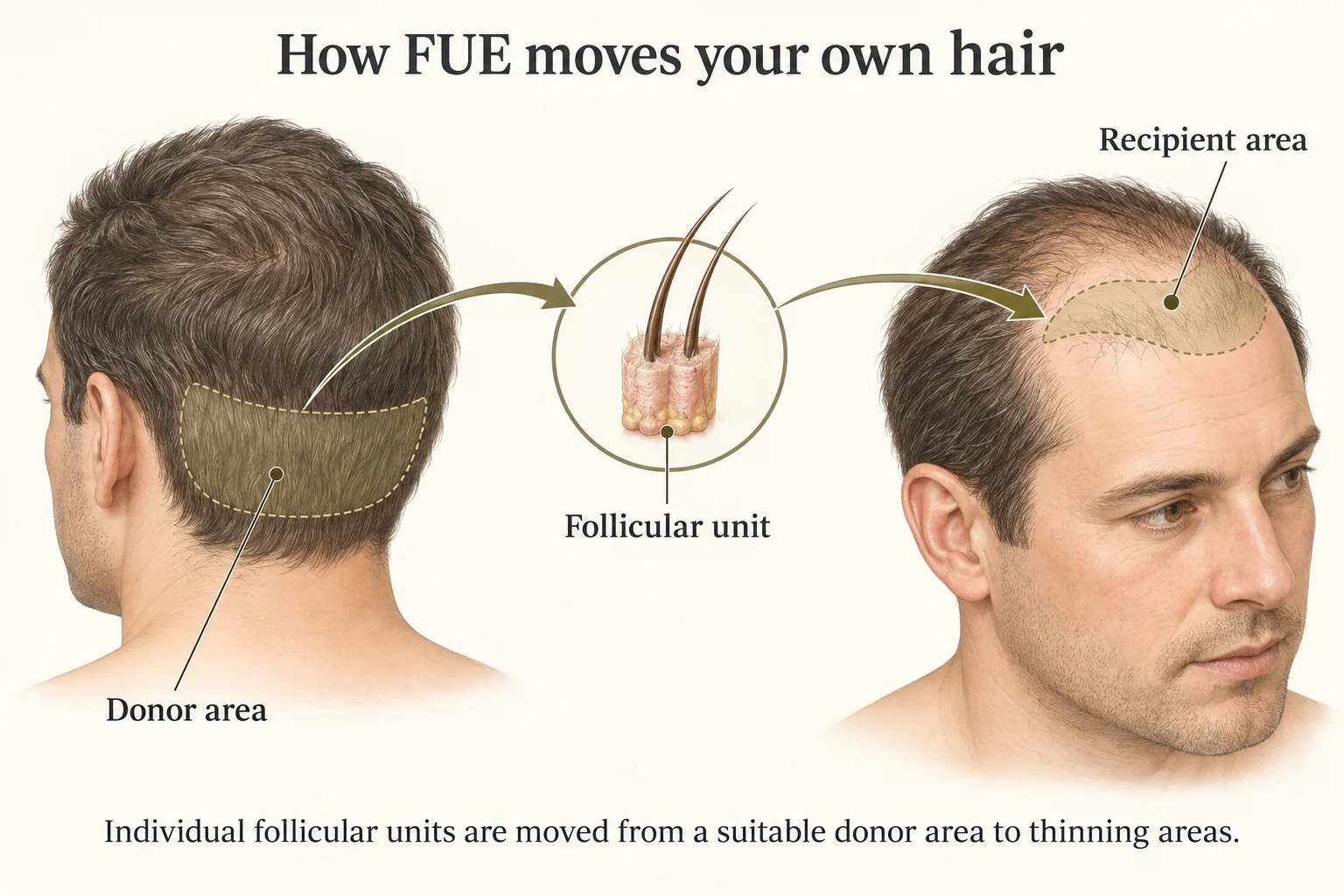
NeoGraft FUE assists in collecting individual follicular units from a suitable donor area. Those grafts are then placed in the planned areas of thinning, with attention to the direction and angle of natural growth.
Because a strip of scalp is not removed, there is no long linear donor scar. Small extraction scars remain. The number of grafts available, the size of the treatment area and possible future thinning all influence the plan.
From a donor area to an area of thinning
FUE moves your own follicular units. This diagram shows the relationship between a donor area and a recipient area; the actual zones and graft count are individually planned.
Donor hair is a limited resource.
Growth direction and graft placement shape the result.
 Watch film
Hairline, crown & brows
Consider the Whole Pattern
Hairline
Shape, height and the transition into existing hair matter. A plan should look appropriate as your appearance and hair change over time.
Crown
The crown can require substantial coverage. The amount of donor hair available needs to be balanced across all the areas you hope to treat.
Eyebrows
Eyebrow restoration is another option for selected patients. Selected donor follicles can be placed with attention to brow shape and hair direction; ongoing trimming may be needed.
 Watch film
What to discuss
Your Procedure & Recovery Plan
The treatment area is numbed and grafts are harvested, prepared and placed individually. Sessions can take several hours. Your consultation sets expectations for graft count, comfort and timing.
Allow time to rest after the procedure. Your team will also explain how long to protect grafts, limit exercise and manage visible redness or crusting.
Before you commit
- Review your donor supply and proposed coverage.
- Ask who will carry out each part of the procedure.
- Discuss ongoing hair loss and treatment choices.
- Plan work, travel and follow-up around your recovery.
Recovery & results
What to Expect as Your Hair Grows
Healing and new growth happen on different timelines. Your team will provide instructions for washing, activity, sleep position and scalp care. Follow those instructions for your procedure rather than treating a general timeline as personal clearance.
The first days
Tenderness, swelling, redness and small crusts can occur. Protect the grafts from rubbing and direct shower pressure. Discuss gentle cleansing, saline spray and head elevation with the team.
The first weeks
Crusts usually loosen during early healing. Transplanted hair shafts may shed before new hair grows. Trimming the donor area can leave a visible short patch until the surrounding hair grows back.
The months ahead
Regrowth develops gradually. Early growth may appear around three to six months, with fuller development around a year; your timing and density may differ. Ongoing thinning of untreated hair can affect the overall appearance.
Ask when you can exercise, wear headwear, color your hair and return to work. Your plan may include avoiding hair dyes or harsh chemicals for six to eight weeks and protecting the scalp from sun for the first three months; confirm the exact schedule with your surgical team.
 Watch film
 Watch film
An informed decision
Understand the Tradeoffs Before Treatment
FUE avoids a long strip scar, but it is surgery. Small extraction scars remain, and healing can involve bleeding, infection, altered sensation or prolonged irritation. Some grafts may not grow, density can be uneven, and additional treatment may be considered.
The amount and quality of donor hair limit coverage. Hair transplantation does not stop future loss of your existing hair. A realistic plan balances what you want now with the hair available for the future.
 Watch film
 Watch film
Actual patients of Dr. Scott Ennis
Hair Restoration Before & After
Actual patients of Dr. Ennis. Different views may show the same patient. Growth timelines and individual results vary.
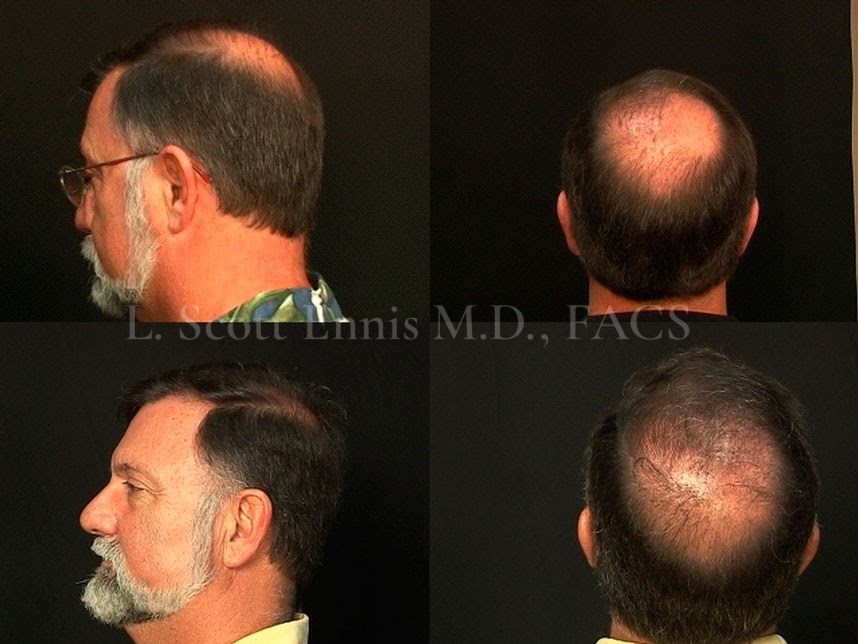
Individual results vary. Open full image ↗
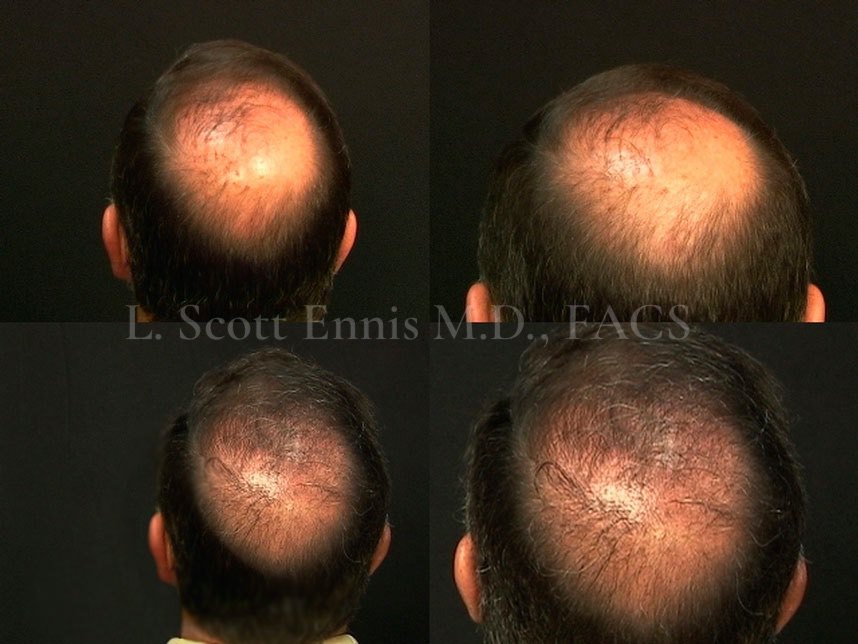
Individual results vary. Open full image ↗
View 6 more comparisons
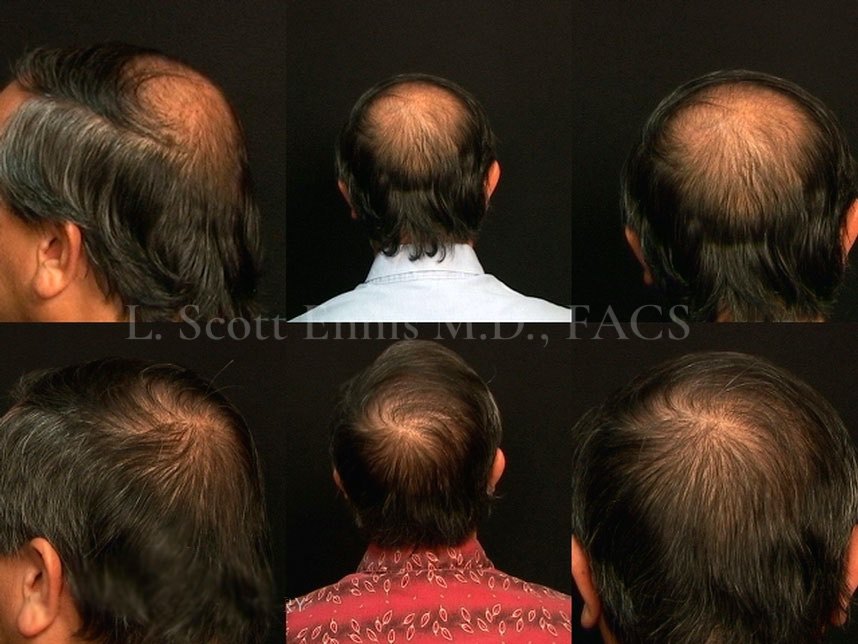
Individual results vary. Open full image ↗
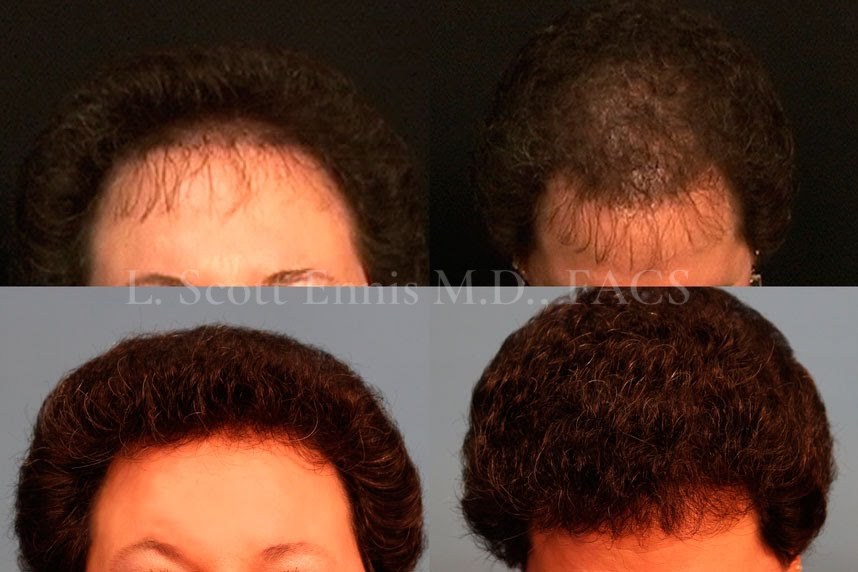
Individual results vary. Open full image ↗
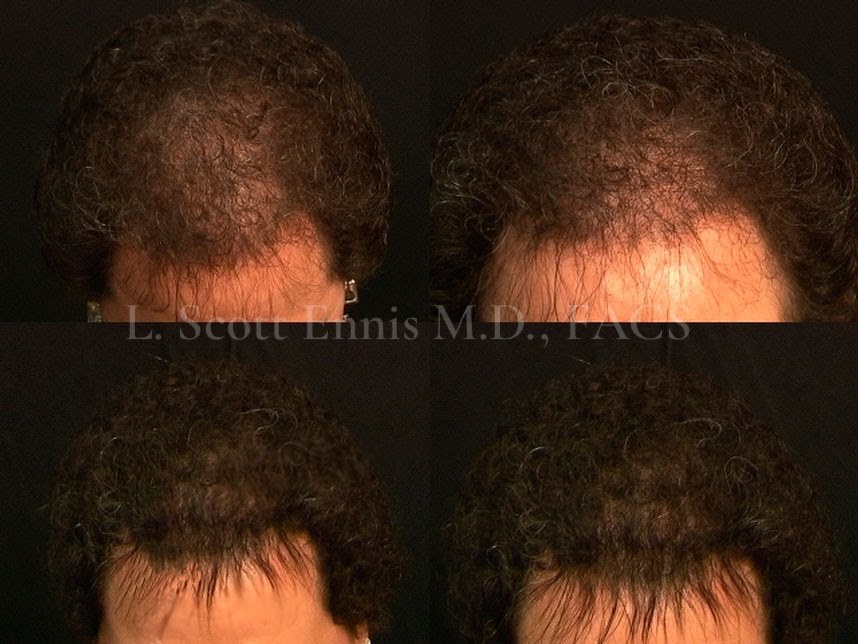
Individual results vary. Open full image ↗
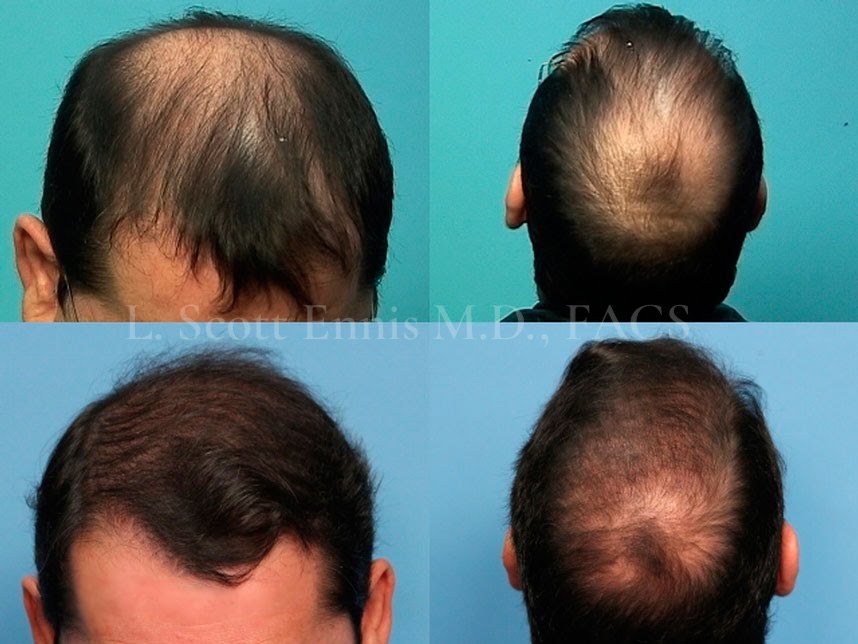
Individual results vary. Open full image ↗
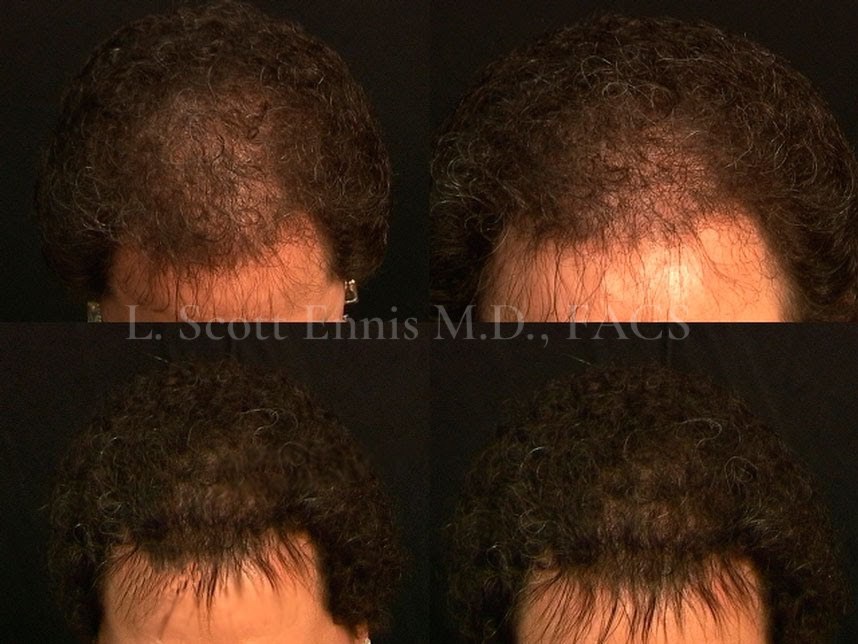
Individual results vary. Open full image ↗
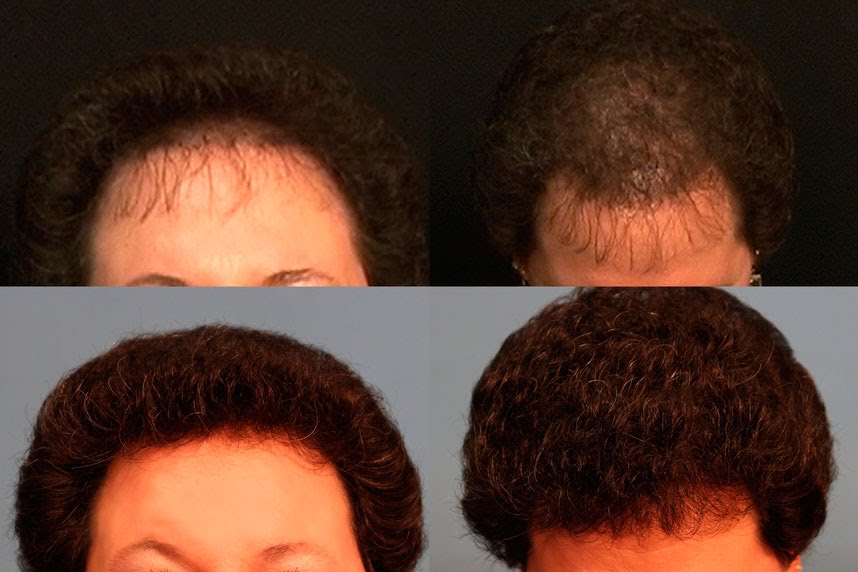
Individual results vary. Open full image ↗

Your care at Ennis Plastic Surgery
Meet Dr. L. Scott Ennis
Dr. L. Scott Ennis is certified by the American Board of Plastic Surgery and is a Fellow of the American College of Surgeons. He directs hair-restoration care at the Boca Raton practice, with planning that considers your hairline, donor supply and longer-term pattern of hair loss.
The practice’s hair-restoration team includes NeoGraft technicians selected by Dr. Ennis. Your consultation is the time to discuss who performs each part of treatment, how the procedure is supervised, and how follow-up care is arranged.
Explore Dr. Ennis’s Profile
 Meet Dr. Ennis
Know your options
Hair Restoration for Men: Questions
Can FUE restore my original density?
Donor hair is finite, and the coverage that can be achieved varies. The consultation should distinguish a realistic improvement from a promise of a completely full head of hair.
Will the rest of my hair keep thinning?
It can. A transplant does not prevent future loss of untreated hair, which is why long-term planning and possible medication matter.
Can I wear my hair short afterward?
FUE avoids a long donor scar, but small extraction scars may show with very short haircuts. Ask how your planned hairstyle relates to harvesting and healing.
Keep exploring
Understand your options.

Your consultation with Dr. Ennis
A private conversation.
A personal plan.
Bring your questions about thinning, your hairline and what treatment could realistically achieve. We will help you understand the options and plan the next step.
In-Office & Virtual
Or call 561-405-9020