
Ennis Plastic Surgery · Boca Raton
Chin Implants in Florida
Chin augmentation & profile balance
Explore chin augmentation with Dr. L. Scott Ennis, considering projection in relation to your nose, lips, jawline and neck.
Procedure at a glance
- Surgeon
- Dr. L. Scott Ennis, MD, FACS
- Location
- Boca Raton, Florida
- Approach
- Chin augmentation
- Consultation
- In-office or virtual
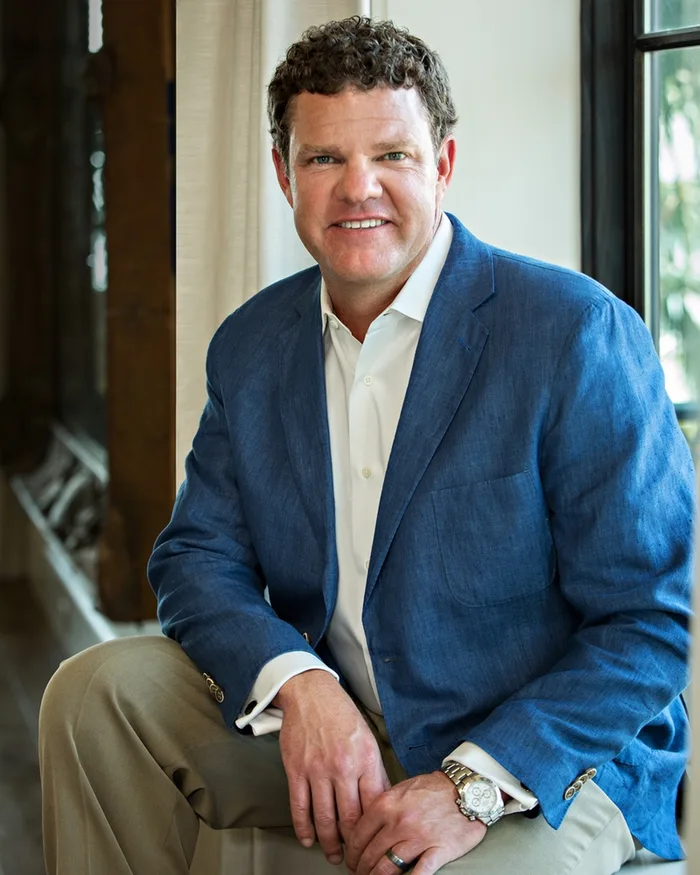
Dr. Ennis explains
A profile is a relationship between features.
Chin augmentation adds selected projection over the existing chin. The goal is a proportionate change that fits your facial structure, rather than one ideal chin shape.
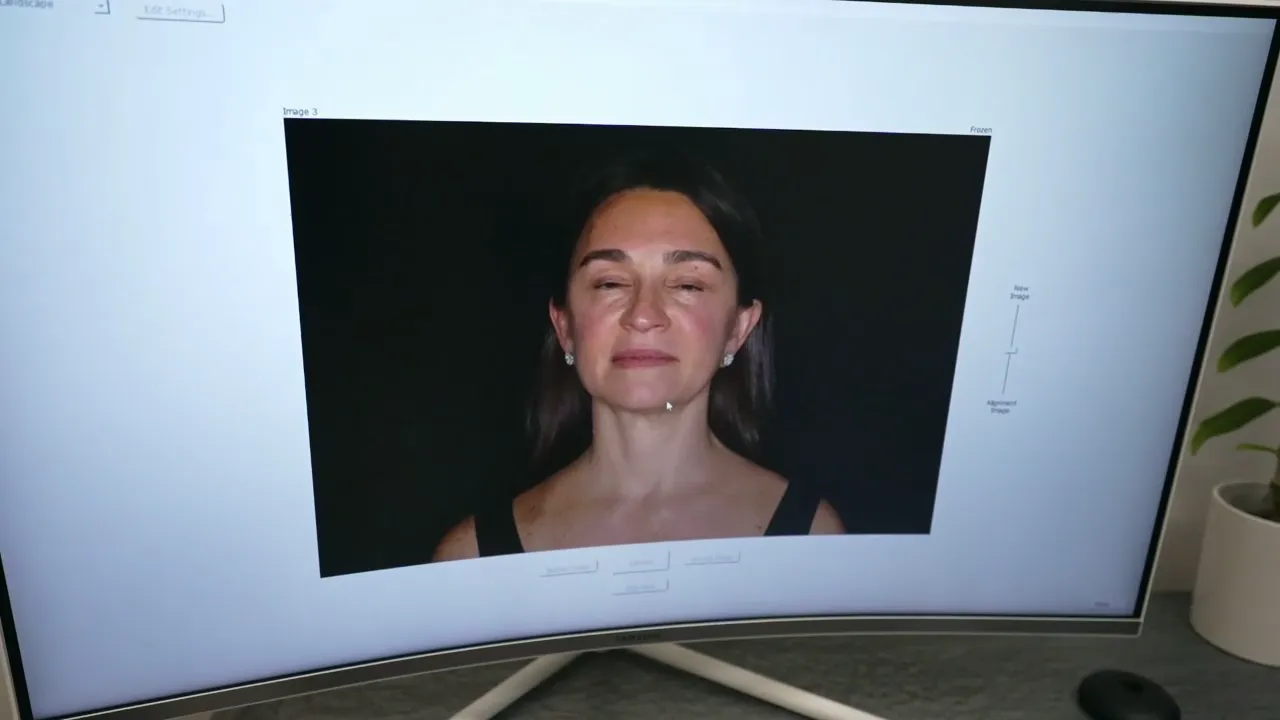
Dr. Ennis’s facial-surgery overview provides context for considering the chin alongside the nose, jawline and neck.
 Watch Dr. Ennis explain
General facial-surgery education; your chin implant plan is assessed separately.

A personal decision
Is chin augmentation right for you?
You may notice limited chin projection or an imbalance in the side profile. Examination helps distinguish the chin itself from surrounding fat, skin and jaw structure.
Your health, bite, facial development and expectations matter. A chin implant changes contour but does not correct every problem involving the jaw or teeth; some concerns call for a different evaluation.
Your treatment options
Understand the approach.
Consider the differences.
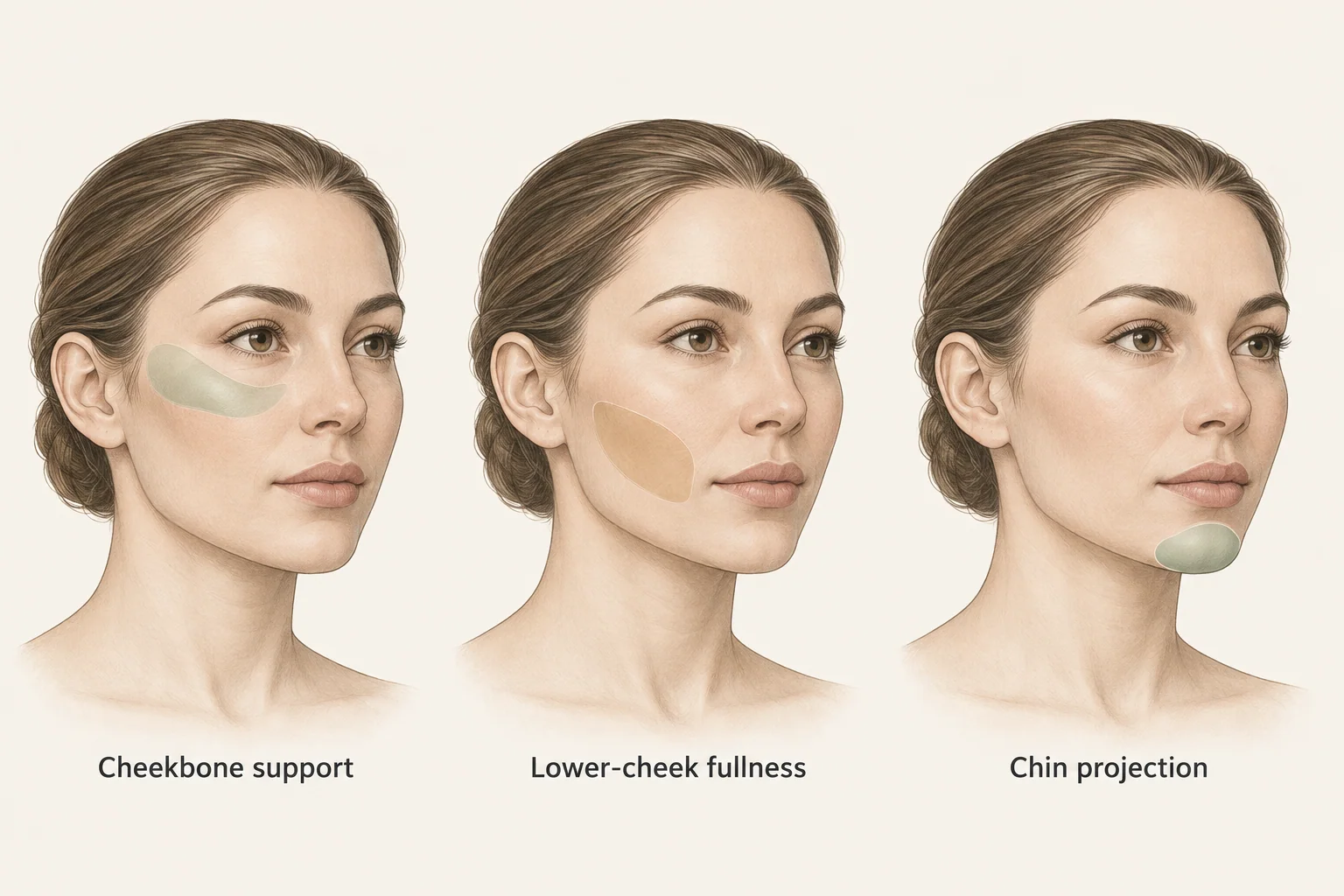
Chin projection contributes to the facial profile
A chin implant adds structural projection at the chin. Planning considers its relationship to the jawline and the rest of the face, rather than cheek volume alone.
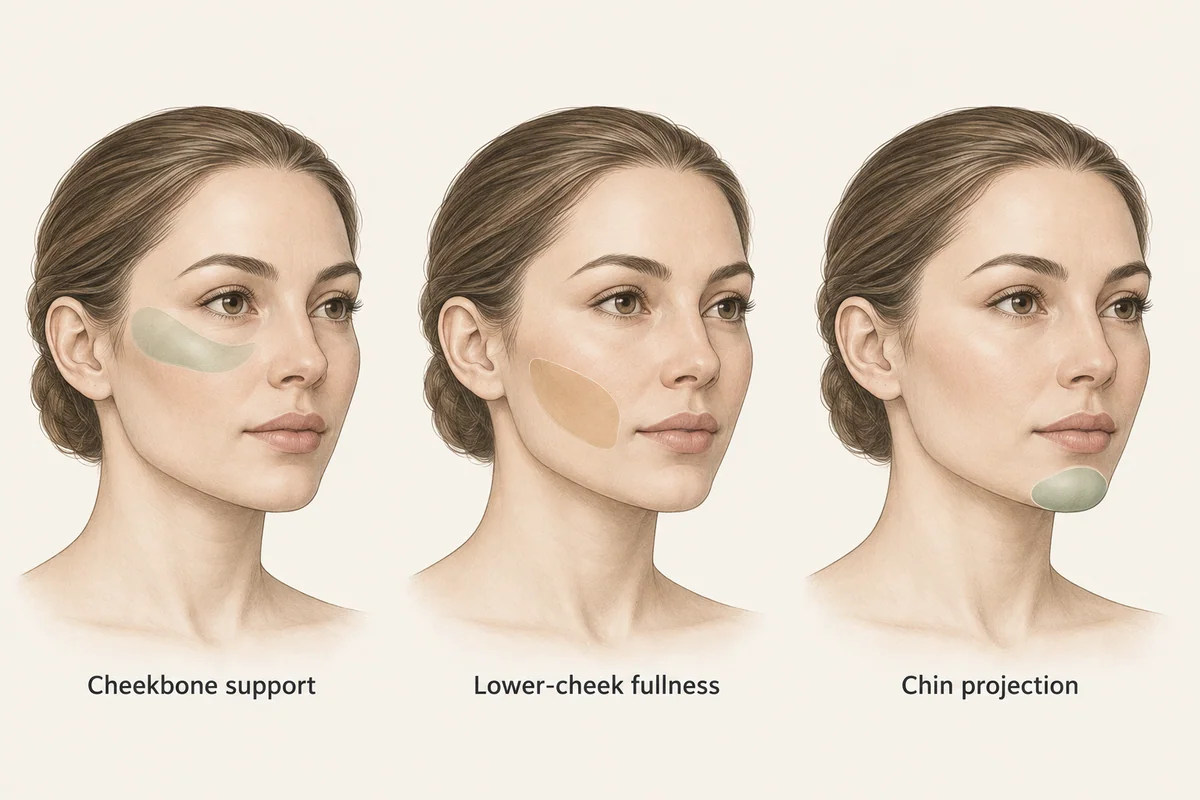
Adding volume and reducing volume are different goals.
The plan considers your face as a whole.
Chin implant placement
A shaped implant is positioned over the existing chin bone. Size, shape and projection are selected in relation to the facial proportions and the change being discussed.
The published guide describes synthetic implant materials and a pocket created to hold the implant. Ask which material is proposed, how it will be positioned and what would be involved if it needed adjustment or removal.
Access beneath the chin or inside the mouth
An incision may be placed in a natural crease beneath the chin or inside the lower lip near the gum. The surgeon creates the pocket, places the implant and closes the incision with sutures.
The choices involve different considerations for scar location and wound care. Both require healing, and the incision should be discussed before surgery.
When reduction is the concern
A chin that projects more than desired needs a different discussion from augmentation. The existing guide also describes chin reduction, which involves reshaping bone rather than adding an implant.
Reduction can be more extensive and has different timing and risks. The consultation should establish whether the concern involves projection, height, asymmetry or the relationship of the jaws.
Meet your surgeon
Dr. L. Scott Ennis,
MD, FACS.
Board-certified plastic surgeon.
Founder of Ennis Plastic Surgery.
At Ennis Plastic Surgery, the discussion begins with your features and the change you hope to make. Dr. Ennis’s background in art informs his interest in proportion and individual facial character.
Meet Dr. Ennis & explore his credentials Meet the Surgeon
A closer look
Your chin implants guide.
The nose, neck & chin
Chin projection affects how the nose and neck appear in profile. The live guide discusses chin augmentation alongside rhinoplasty, facelift and brow surgery when separate concerns are present.
Neck liposuction removes selected fat, while a neck lift addresses other neck tissues. Neither is interchangeable with changing chin projection.
Choosing an implant
A larger implant is not necessarily a better fit. The plan should consider the existing bone, soft tissue, width, symmetry and how the chin looks from the front as well as the side.
Discuss the anticipated change and limitations using photographs and examination. Ask about implant positioning, long-term follow-up and how an unexpected contour issue would be managed.
Longer-term expectations
Implants are intended to provide a lasting change, but aging, tissue changes and complications can affect the appearance. Some people need revision or removal.
Swelling initially changes the outline. Keep follow-up visits and allow healing before judging the final balance between the chin and surrounding features.
Learn with Dr. Ennis
More detail.
At your own pace.
 Watch the discussion
Related education about the surrounding lower-face and neck contours.
From consultation to recovery
What happens during chin augmentation?
Your examination and medical history inform the implant and access plan. The live guide describes local anesthesia with sedation or general anesthesia, depending on the procedure and any accompanying surgery.
A limited implant operation may take approximately an hour. After the pocket and implant are positioned, the incision is closed and dressings may be used for the first days. A bone-reduction procedure can take longer and needs a separate plan.

Let the contour settle.
The published guide describes early swelling and bruising over roughly seven to ten days, tightness for about a week and continued settling over several weeks. Your own course may differ.
Follow advice about dressings, oral hygiene if there is an intraoral incision, temporary soft foods and avoiding pressure or strenuous activity. The guide notes that substantial swelling may take around six weeks to resolve, with further refinement possible beyond that point.
Understand the risks.
Possible risks include infection, bleeding, changes in sensation, asymmetry, implant movement, contour problems, poor healing and the need for removal or revision. Discuss material-specific concerns and the effect of any combined surgery.
This is not a complete list. Ask which risks apply to your health and treatment, how concerns would be managed and whom to contact during recovery.
Read ASPS risk informationMaking an informed choice
Choosing the Best Chin Implants Surgeon in Florida for You
Look for relevant qualifications, a clear explanation of your options and a plan for care before and after treatment.
Dr. L. Scott Ennis, MD, FACS
View credentials & recognition
Board certification
American Board of Plastic Surgery
Listed in Dr. Ennis’s Florida Department of Health profile.
View physician recordSelected recognition · 2024
The Boca Raton Observer
Featured in the publisher’s Castle Connolly Top Docs 2024 special advertising section.
View publisher’s profileVerify the qualifications.
Confirm the surgeon’s relevant board certification and training. Ask about their experience with facial surgery and with the specific technique being recommended.
Look at comparable cases.
Review actual patients with concerns similar to yours. Ask which procedures were performed together and when the photographs were taken. A single image cannot predict your own result.
Understand the recommendation.
Ask the surgeon to connect the proposed approach to your anatomy and goals. A useful consultation should explain alternatives, limitations and the option of postponing treatment.
Ask about safety and aftercare.
Discuss the surgical facility, anesthesia team, risks and follow-up arrangements. Know whom to contact after surgery and how concerns would be assessed.
Questions worth asking
Learn more.
Decide in your own time.
Chin Implants questions to bring to your consultation.
Is a chin implant the same as jaw surgery?
No. A chin implant changes selected contour and projection over the chin. Bite or broader jaw-position problems may require a different assessment.
Where is the incision?
The published guide describes access beneath the chin or inside the lower lip. The choice depends on the plan and should include a discussion of scars and wound care.
Can chin augmentation be combined with rhinoplasty?
It may be considered when each procedure addresses a separate proportion concern. A combination is not automatically necessary.
Can an implant be removed?
Removal or revision may be possible, but it is another operation with its own risks and possible contour changes. Discuss that possibility before choosing an implant.
Further reading
Explore the American Society of Plastic Surgeons’ procedure guidance and risks and safety information. This guide provides general information; your consultation addresses your individual circumstances.
Keep exploring
Consider the whole picture.

Ennis Plastic Surgery · Beautiful Medicine™
A considered plan starts
with a conversation.
Or call 561-405-9020