
Ennis Plastic Surgery · Boca Raton
Otoplasty in Florida
Ear reshaping & ear pinning surgery
Explore ear surgery with Dr. L. Scott Ennis, with attention to the shape, position and balance of your ears.
Procedure at a glance
- Surgeon
- Dr. L. Scott Ennis, MD, FACS
- Location
- Boca Raton, Florida
- Approach
- Otoplasty
- Consultation
- In-office or virtual
Dr. Ennis explains
A change in position. A considered balance.
Otoplasty changes selected features of the external ear, including prominence, shape or proportion. Treatment may involve one or both ears and can address concerns present from development or following an injury.
Dr. Ennis explains how ear anatomy informs the approach, rather than treating ear pinning as one identical operation for everyone.
 Watch Dr. Ennis explain
Actual patient results
Otoplasty.
Before & after.
Actual patients of Dr. Scott Ennis
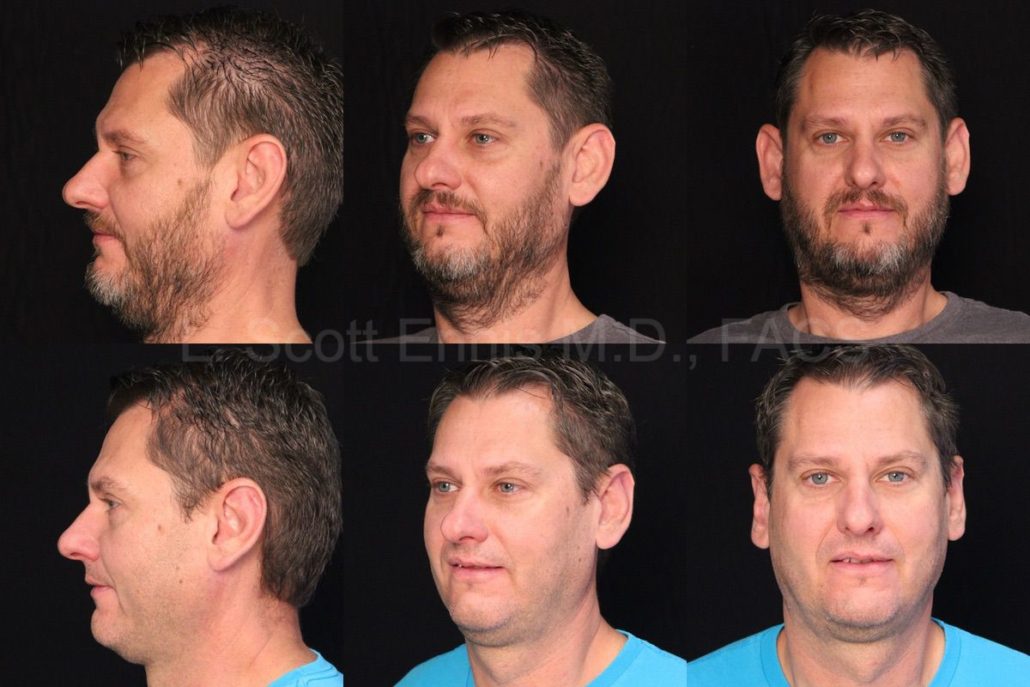
Otoplasty
Case 43481: three-angle comparison.
Actual patient of Dr. Scott Ennis
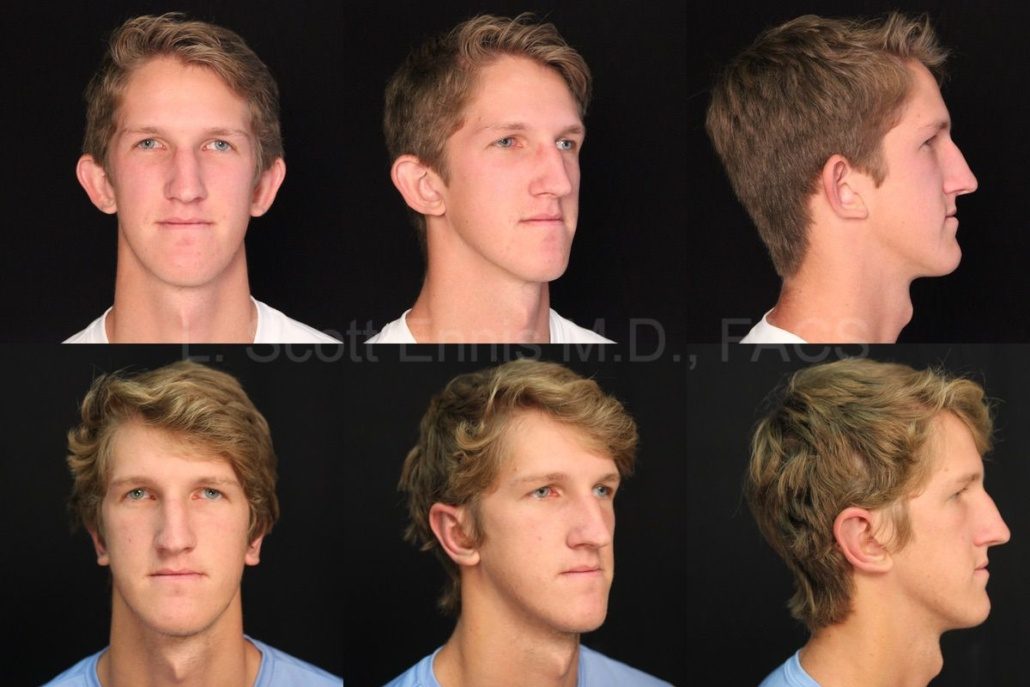
Bilateral otoplasty
Case 14078: both ears treated.
Actual patient of Dr. Scott Ennis
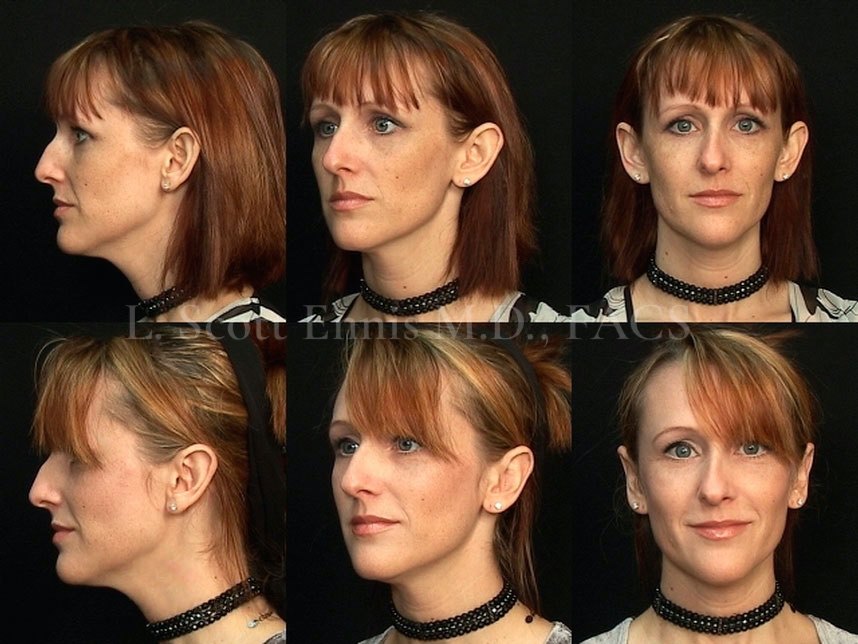
Otoplasty
Three views of one patient from the published ear-surgery gallery.
Actual patient of Dr. Scott Ennis
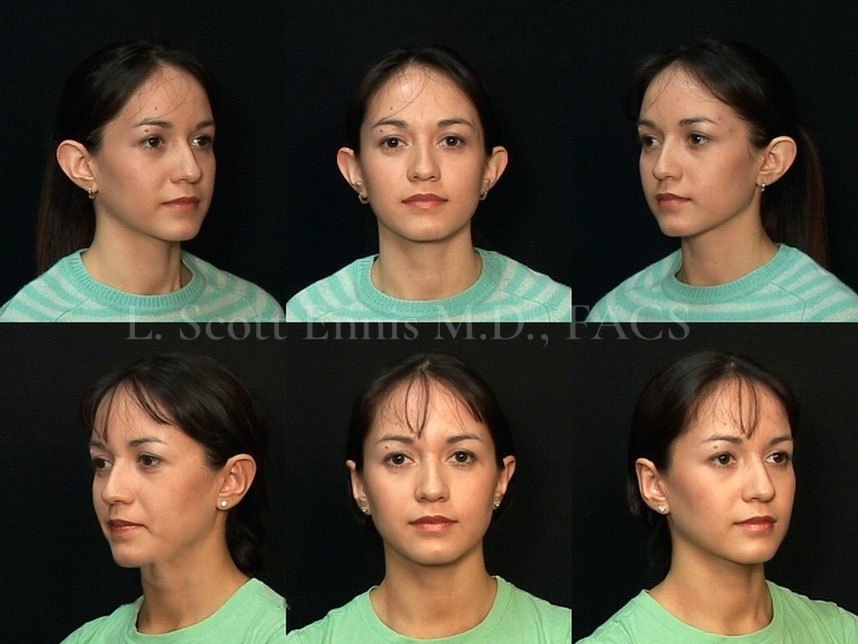
Otoplasty
An additional patient from the practice’s published gallery.
Actual patient of Dr. Scott Ennis
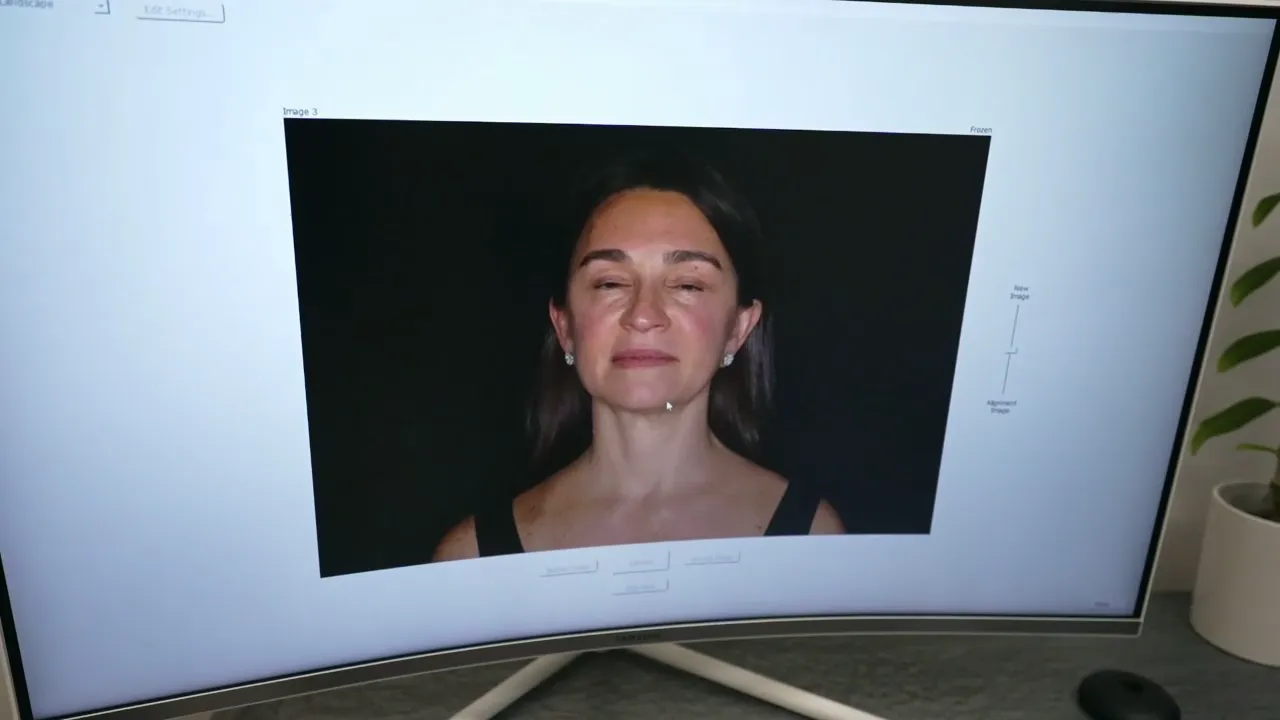

A personal decision
Is ear surgery right for you?
Ear prominence can reflect the shape of the cartilage folds, the size of the ear bowl or the angle where the ear joins the head. Examination establishes which features contribute to the concern.
The existing guide discusses adults and children whose ears have developed sufficiently, often after about age five. A child’s health, readiness and own wishes matter; age alone is not a recommendation for surgery.
Your treatment options
Understand the approach.
Consider the differences.
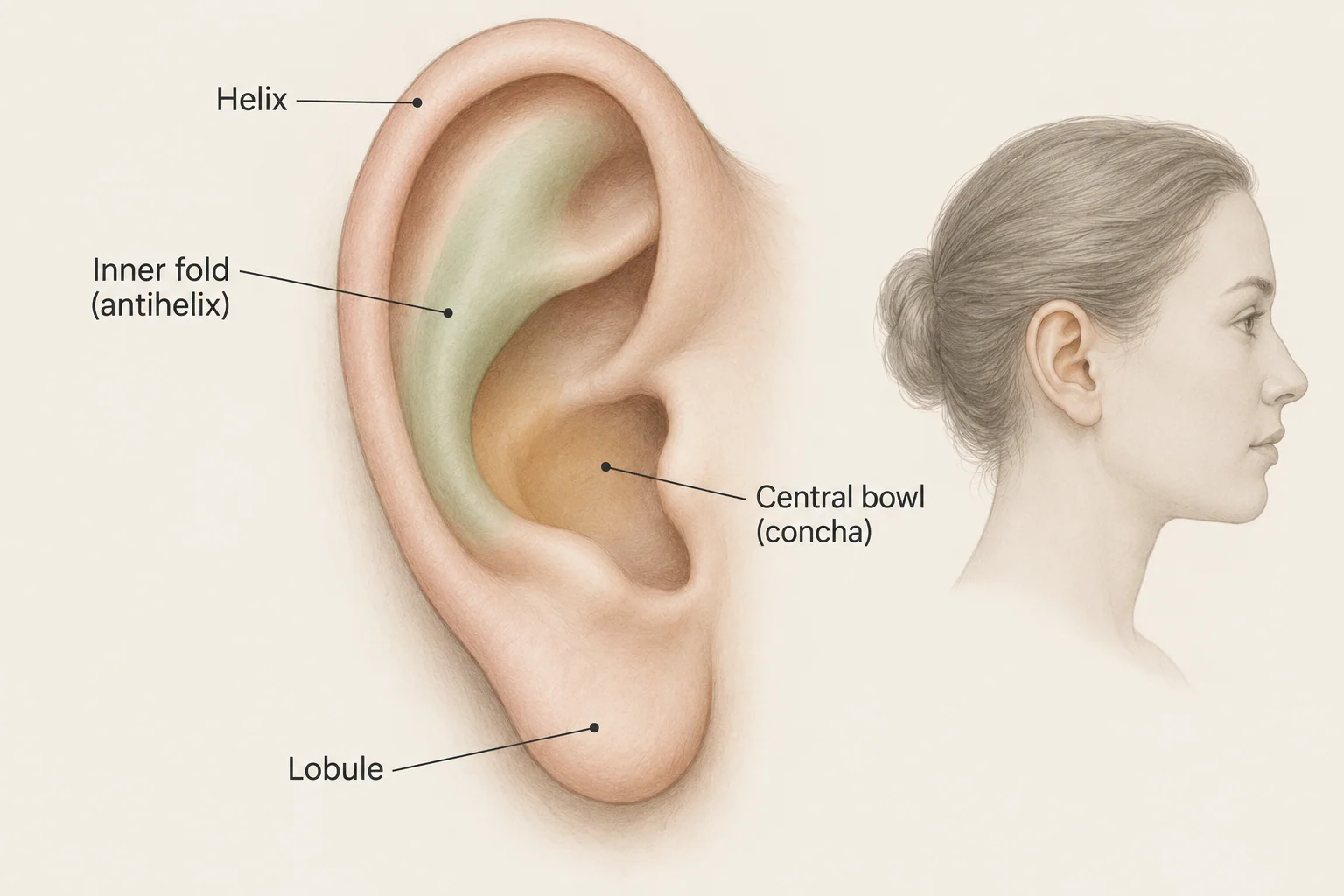
Ear shape is supported by cartilage
Otoplasty changes the position or folds of the outer ear. The plan depends on cartilage shape and how far the ear projects from the head.
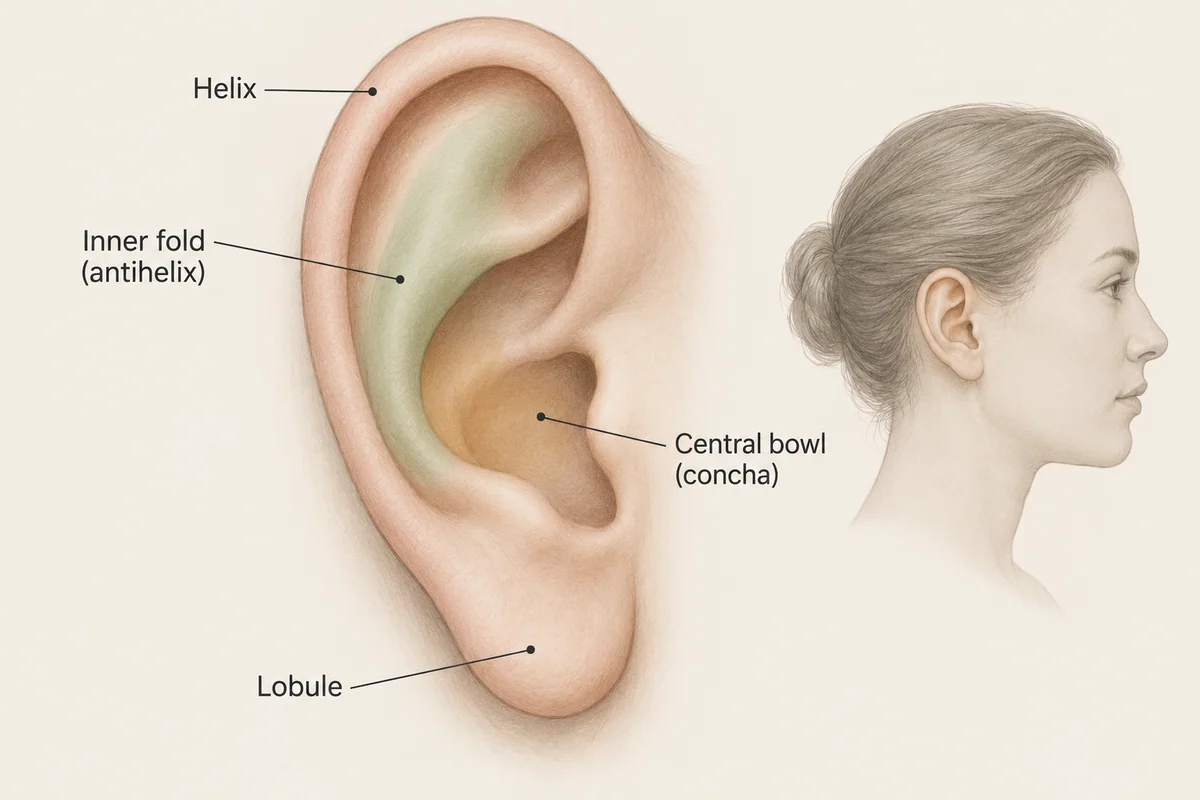
The inner fold helps define ear shape.
The central bowl also influences projection.
Ear pinning & repositioning
Selected cartilage may be reshaped or repositioned to bring the ear closer to the head. Internal sutures can support the folds and position while the tissues heal.
The amount of change is planned in relation to the head and the other ear. Some natural asymmetry remains, and an ear should not be positioned solely to meet a fixed measurement.
Cartilage reshaping
The published guide describes approaches that adjust or remove selected cartilage and approaches that rely primarily on sutures. The anatomy and desired correction determine which method may fit.
Incisions are commonly behind the ear. If access from the front is required, an incision may be placed within an ear fold. Discuss the planned scars and the structures being changed.
One ear or both
Otoplasty can address one or both ears, depending on the concern. Differences in size, fold shape or projection may require a different adjustment on each side.
External ear surgery changes appearance; it is not a treatment to improve hearing. Hearing symptoms should receive an appropriate separate evaluation.
Meet your surgeon
Dr. L. Scott Ennis,
MD, FACS.
Board-certified plastic surgeon.
Founder of Ennis Plastic Surgery.
At Ennis Plastic Surgery, the discussion begins with your features and the change you hope to make. Dr. Ennis’s background in art informs his interest in proportion and individual facial character.
Meet Dr. Ennis & explore his credentials Meet the Surgeon
A closer look
Your otoplasty guide.
Why ears may appear prominent
The folds of the outer ear and the relationship to the head determine how far the ear projects. Inherited development, shape and attachment can all contribute.
An injury may create another type of concern. The consultation should establish whether the proposed operation is a standard prominence correction or requires a different reconstructive approach.
Planning for a child
A child should be able to participate in the discussion at an appropriate level and understand the early care involved. Motivation, comfort with the decision and the ability to protect the ears during healing matter.
The operation should not be presented as a guarantee of improved confidence or social acceptance. Discuss the physical goals and the practical support needed at home and school.
Results & symmetry
The new position can be apparent when dressings are removed, though swelling still influences the outline. Natural differences between the ears may remain after surgery.
Protect the ears as directed while healing progresses. Ask how recurrence, a prominent suture or an uneven contour would be assessed, and whether further treatment could be needed.
Learn with Dr. Ennis
More detail.
At your own pace.
 Watch the discussion
From consultation to recovery
What happens during otoplasty?
Your consultation includes examination, photographs, medical history and discussion of the proposed changes. The published guide describes local anesthesia with sedation or general anesthesia, with the choice based on the patient and operation.
Bilateral surgery may take approximately one to two hours. After the planned cartilage and suture work, the incisions are closed and dressings protect the ears during early healing. The team explains transport, home support and follow-up.

Protect the new position.
Dressings may remain for the first several days. Discomfort, itching, bruising and swelling can occur, and swelling may take a couple of weeks to improve substantially. Follow the team’s instructions rather than removing dressings to inspect the result.
Avoid pressure, rubbing and sleeping directly on the ears while advised. The guide discusses a nighttime headband for several weeks. School, work, exercise and contact sports each require an appropriate return plan, especially for children.
Understand the risks.
Possible risks include bleeding, infection, poor healing, unfavorable scarring, asymmetry, changes in sensation, persistent pain, suture problems, recurrence and revision surgery. The surgeon should explain the risks of the specific correction being considered.
This is not a complete list. Ask which risks apply to your health and treatment, how concerns would be managed and whom to contact during recovery.
Read ASPS risk informationMaking an informed choice
Choosing the Best Otoplasty Surgeon in Florida for You
Look for relevant qualifications, a clear explanation of your options and a plan for care before and after treatment.
Dr. L. Scott Ennis, MD, FACS
View credentials & recognition
Board certification
American Board of Plastic Surgery
Listed in Dr. Ennis’s Florida Department of Health profile.
View physician recordSelected recognition · 2024
The Boca Raton Observer
Featured in the publisher’s Castle Connolly Top Docs 2024 special advertising section.
View publisher’s profileVerify the qualifications.
Confirm the surgeon’s relevant board certification and training. Ask about their experience with facial surgery and with the specific technique being recommended.
Look at comparable cases.
Review actual patients with concerns similar to yours. Ask which procedures were performed together and when the photographs were taken. A single image cannot predict your own result.
Understand the recommendation.
Ask the surgeon to connect the proposed approach to your anatomy and goals. A useful consultation should explain alternatives, limitations and the option of postponing treatment.
Ask about safety and aftercare.
Discuss the surgical facility, anesthesia team, risks and follow-up arrangements. Know whom to contact after surgery and how concerns would be assessed.
Questions worth asking
Learn more.
Decide in your own time.
Otoplasty questions to bring to your consultation.
At what age can ear surgery be considered?
The ears need sufficient development, and the patient’s health and readiness matter. The published guide discusses children often after about age five, but this is not an automatic threshold for surgery.
Does otoplasty improve hearing?
Cosmetic otoplasty changes external ear shape or position. It should not be expected to treat hearing problems.
Are the scars hidden?
Incisions are commonly behind the ears, with selected front incisions placed in folds when needed. All incisions leave scars, and healing varies.
Will I need a headband?
The practice’s guide discusses a protective headband at night during healing. The team determines the type and duration for your procedure.
Can just one ear be treated?
Yes, a plan may involve one or both ears. The goal and the relationship between the two sides determine the approach.
Further reading
Explore the American Society of Plastic Surgeons’ procedure guidance and risks and safety information. This guide provides general information; your consultation addresses your individual circumstances.
Keep exploring
Consider the whole picture.

Ennis Plastic Surgery · Beautiful Medicine™
A considered plan starts
with a conversation.
Or call 561-405-9020