
Ennis Plastic Surgery · Boca Raton
Buccal Fat Removal in Florida
Cheek contour & careful selection
Explore buccal fat pad removal with Dr. L. Scott Ennis, with attention to your facial fullness now and how your face may change over time.
Procedure at a glance
- Surgeon
- Dr. L. Scott Ennis, MD, FACS
- Location
- Boca Raton, Florida
- Approach
- Buccal fat pad removal
- Consultation
- In-office or virtual
Dr. Ennis explains
Consider the contour. And the years ahead.
The buccal fat pads lie deeper in the cheeks. Removing selected tissue from these pads can change lower-cheek fullness, but the treatment is not suitable for every face.
A conservative assessment considers the existing shape and the possibility of greater hollowing as the face ages.
 Watch Dr. Ennis explain
Actual patient results
Buccal Fat Removal.
Before & after.
Actual patients of Dr. Scott Ennis
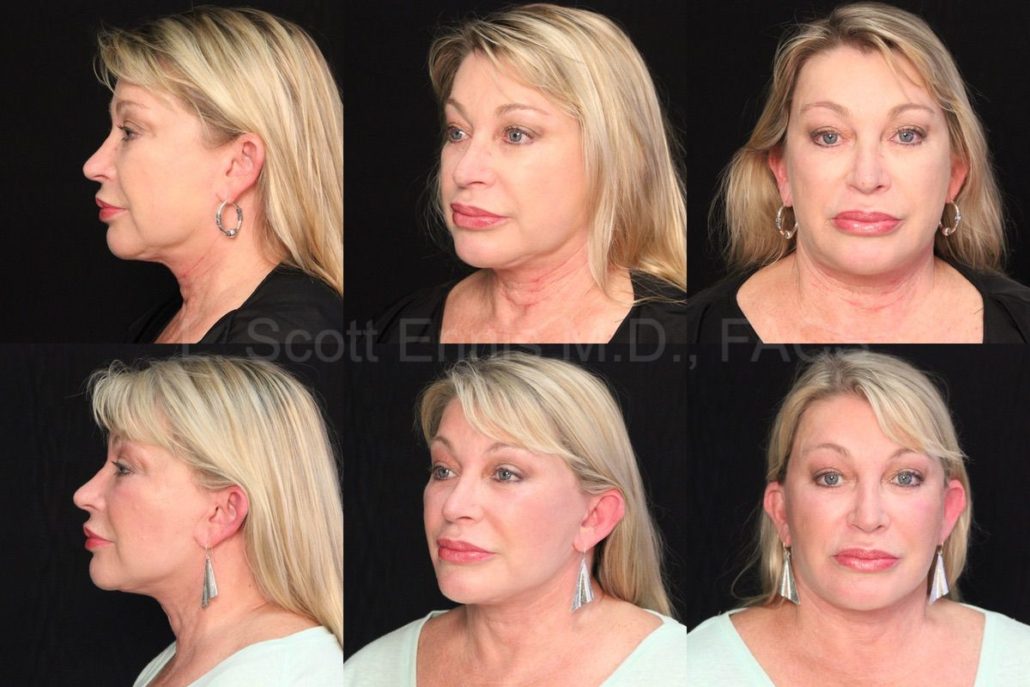
Buccal fat removal & secondary facelift
Case 50479: both procedures contribute to the result.
Actual patient of Dr. Scott Ennis
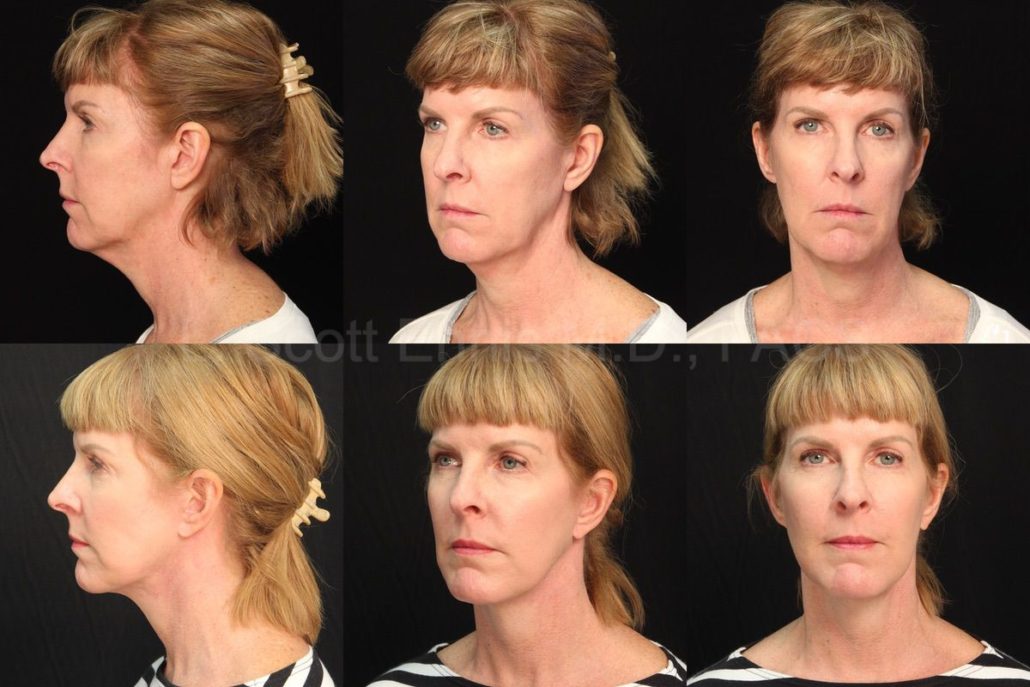
Buccal fat removal & facelift
Case 39602: combined lower-face treatment.
Actual patient of Dr. Scott Ennis
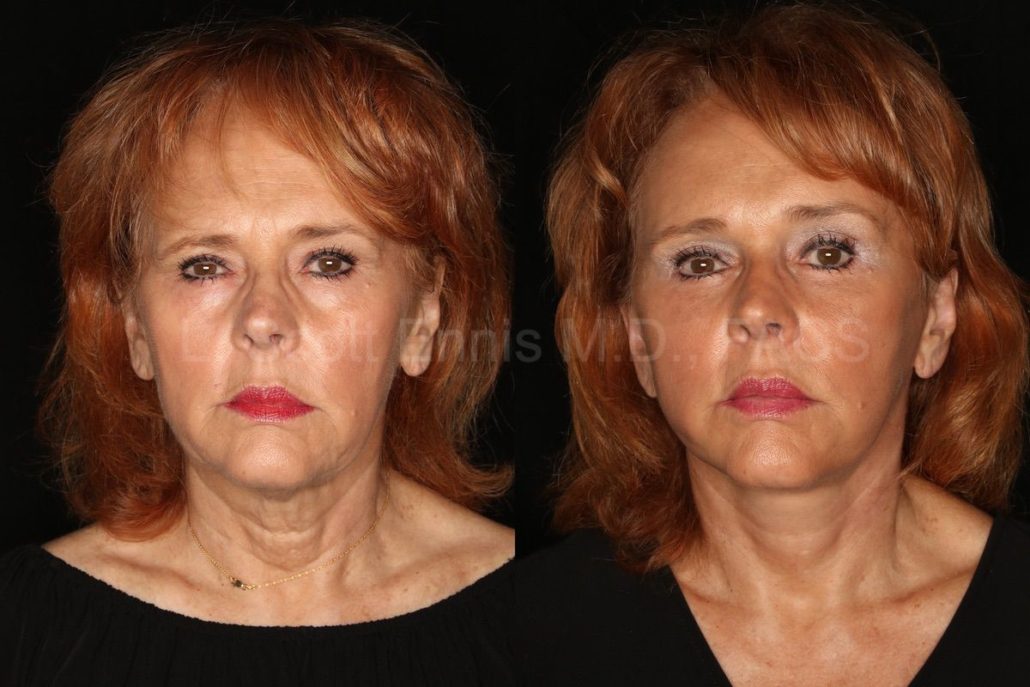
Buccal fat removal & facial rejuvenation
Case 26979: combined with endoscopic brow lift, lower blepharoplasty and deep plane facelift.
Actual patient of Dr. Scott Ennis
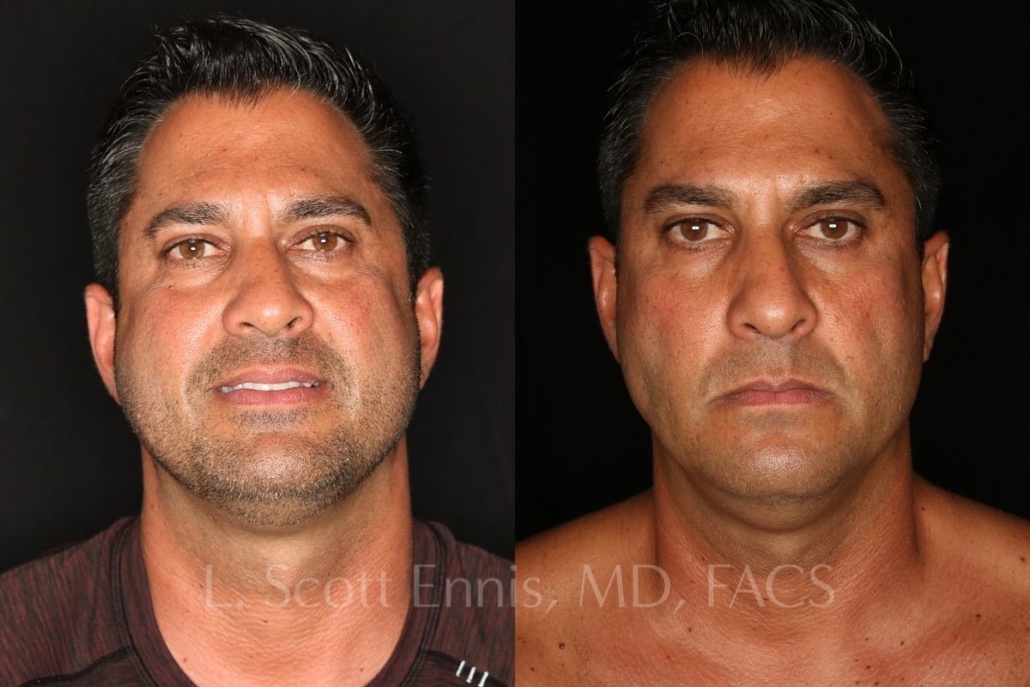
Buccal fat pad removal
Case 51059: front-view comparison.
Actual patient of Dr. Scott Ennis
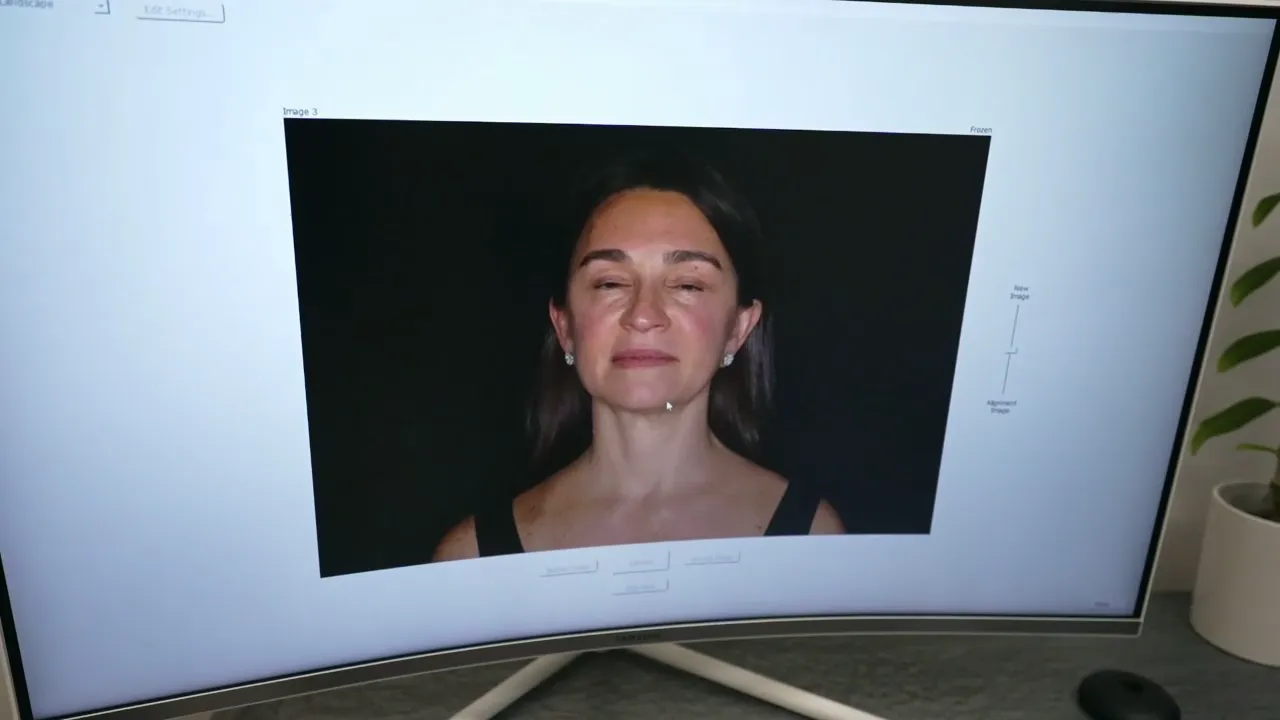

A personal decision
Is removing volume appropriate?
Persistent cheek fullness may lead you to ask about buccal fat removal. The examination should establish whether the deep fat pad is contributing, rather than assuming every full cheek needs less volume.
Naturally narrow or already hollow faces may be poor candidates. Health, expectations and likely age-related volume changes matter. Persistent jowling after a previous facelift does not by itself establish that buccal fat removal is the right treatment.
Your treatment options
Understand the approach.
Consider the differences.
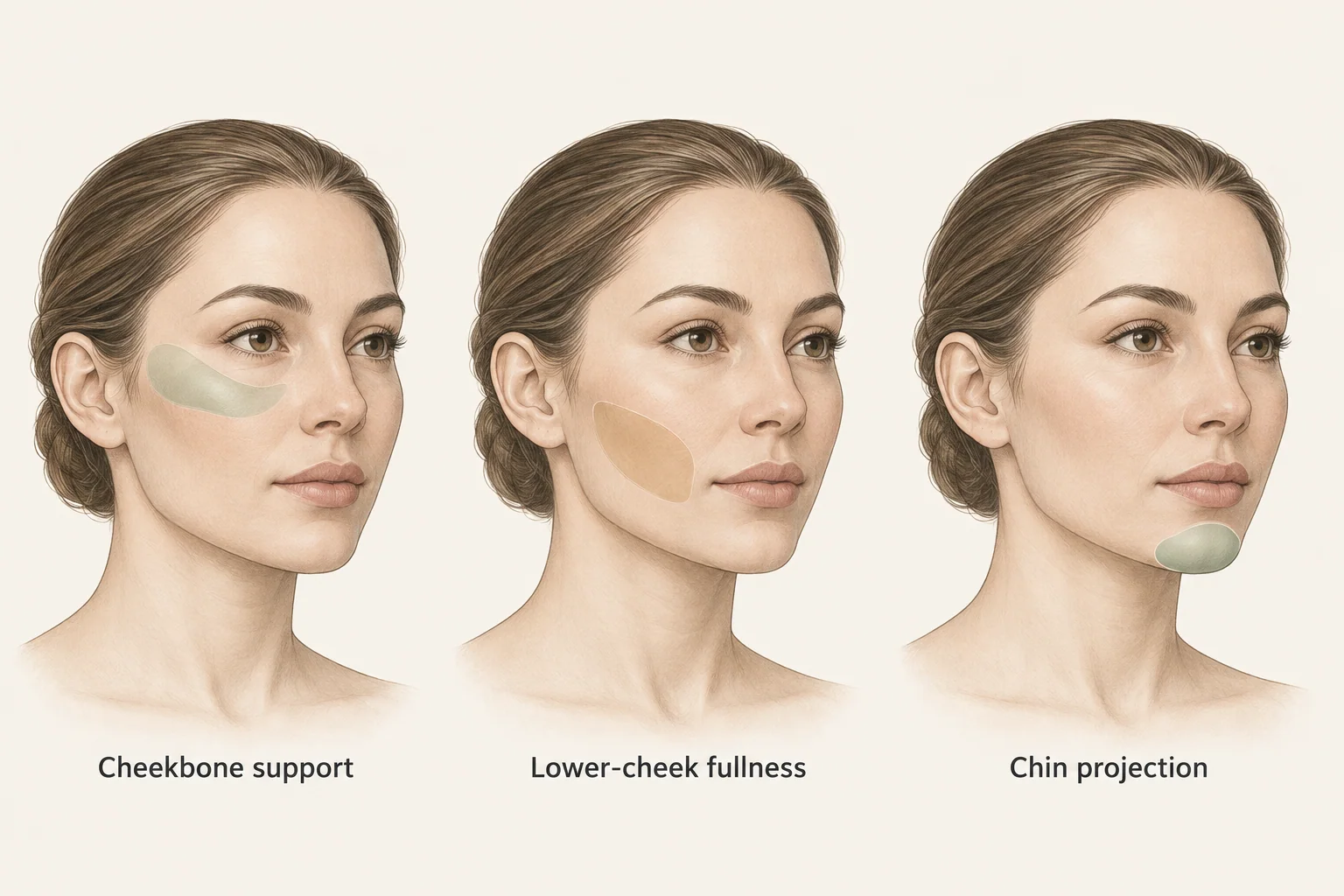
The lower cheek is a distinct volume area
Buccal fat removal addresses a deep fat pad in the lower cheek. It reduces selected volume, so cheekbone support and long-term facial balance must also be considered.
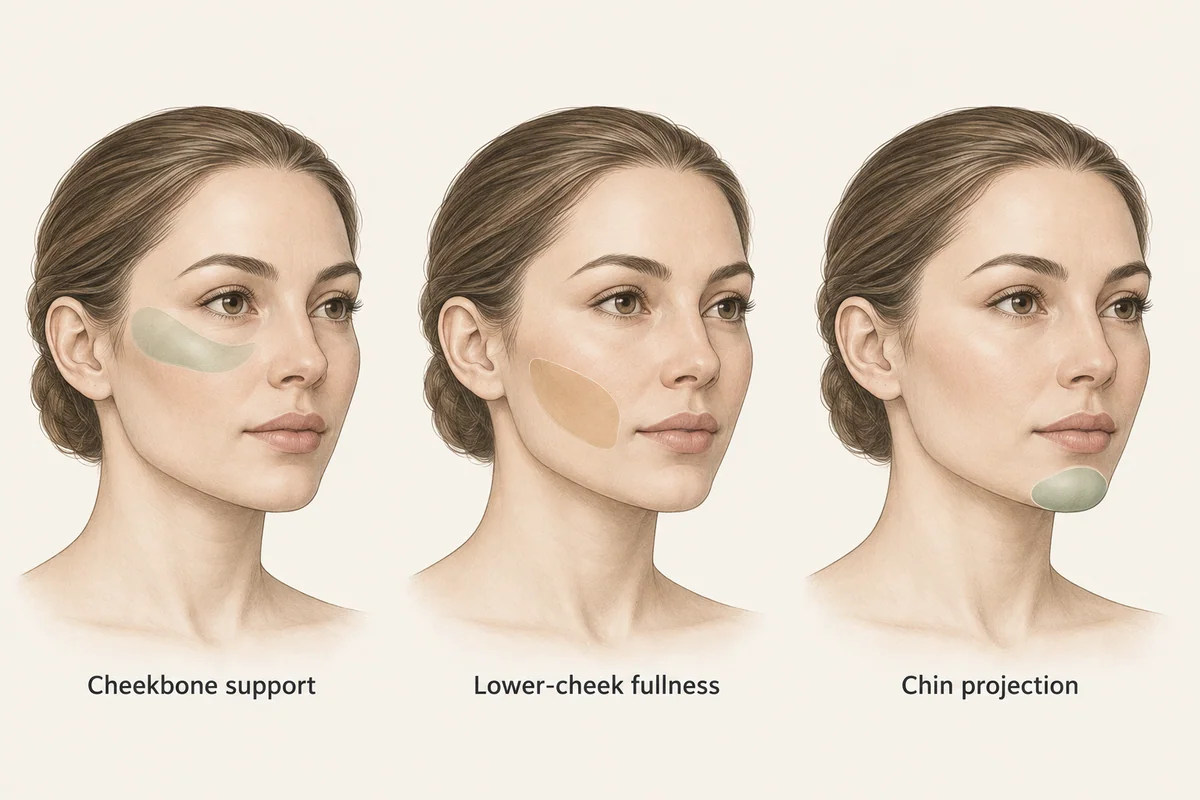
Adding volume and reducing volume are different goals.
The plan considers your face as a whole.
Buccal fat pad removal
The surgeon accesses the fat pad through an incision inside the cheek and removes a selected amount of tissue. The goal is controlled contour change, not complete elimination of all cheek fat.
This is different from neck liposuction, which treats selected fat through a cannula. Location, depth and surrounding structures determine which approach, if any, is relevant.
Combined facial treatment
The published cases include buccal fat removal with facelift or deep plane facelift, brow surgery and eyelid surgery. Their combined appearance should not be attributed to fat removal alone.
If tissue descent, skin changes or another structure is the main issue, a different treatment may fit better. A consultation should also leave room for the option of no surgery.
Meet your surgeon
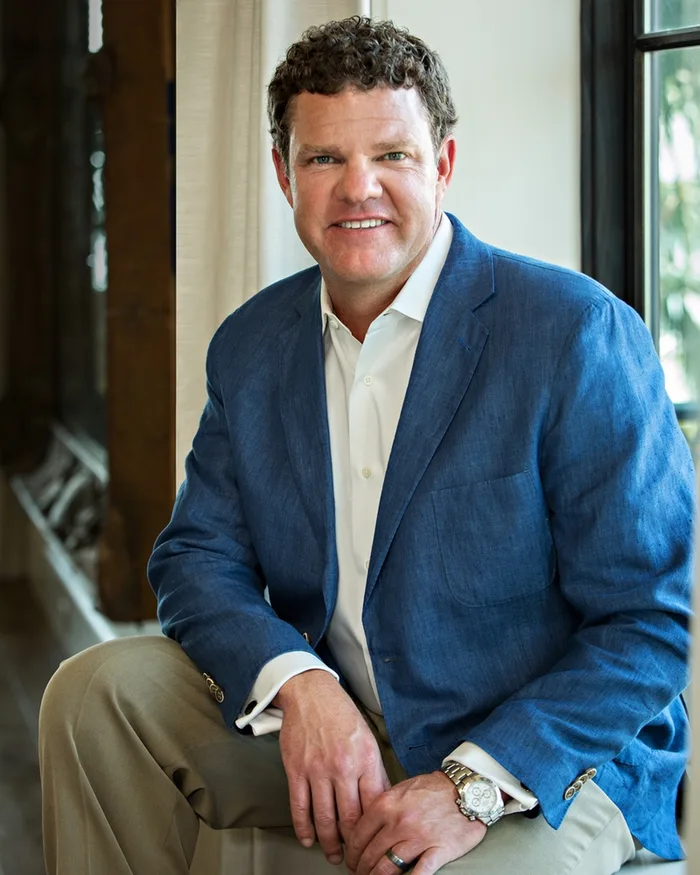
Dr. L. Scott Ennis,
MD, FACS.
Board-certified plastic surgeon.
Founder of Ennis Plastic Surgery.
At Ennis Plastic Surgery, the discussion begins with your features and the change you hope to make. Dr. Ennis’s background in art informs his interest in proportion and individual facial character.
Meet Dr. Ennis & explore his credentials Meet the Surgeon
A closer look
Your buccal fat removal guide.
Understanding the cheek fat pad
The buccal fat pad is a deeper structure rather than the superficial fat immediately beneath the skin. Its contribution to cheek fullness differs between people.
The published guide discusses fullness and the relationship to lower-face contour. Identifying the specific source of a concern helps avoid treating the wrong structure.
Why restraint matters
Facial fullness changes over time. A result that appears appropriate now may look different as surrounding tissues lose volume, which is why the long-term context belongs in the initial discussion.
Ask how much tissue is proposed for removal, what limits the surgeon recommends and how your existing facial shape affects candidacy. Removing too much volume can create an unwanted hollow appearance.
Reviewing patient photographs
The gallery includes both isolated and combined procedures. Compare the captions, views and the full surgical plan before drawing conclusions about the effect of buccal fat removal.
Photographs show an individual outcome, not a prediction. If your concerns also involve cheek projection or lost volume, cheek augmentation is a different conversation from reducing a fat pad.
Learn with Dr. Ennis
More detail.
At your own pace.
 Watch the discussion
 Watch the discussion
Related education about the surrounding facial structures.
From consultation to recovery
An incision inside the cheek.
The live guide describes an intraoral incision of approximately two centimeters near the upper molars, access to the fat pad and closure with dissolving sutures. Care is required around nearby nerves and ducts.
The published estimate is approximately an hour and describes general anesthesia. Confirm the anesthesia and duration for your plan, particularly if it includes a facelift or another procedure.

Oral care is part of recovery.
Swelling, bruising and discomfort can affect the cheeks initially. The published guide describes liquids at first, followed by soft foods for several days, and specific mouth-rinse instructions. Use the aftercare plan provided for you.
Some patients return to routine work within several days, while exercise may require a longer interval, often discussed in terms of two to three weeks. The contour becomes clearer as swelling improves over the following weeks; combined surgery changes these estimates.
Understand the risks.
Risks include bleeding, infection, asymmetry, prolonged swelling, salivary-duct injury, facial nerve injury, unwanted hollowing, persistent pain and an unsatisfactory result. Removing tissue can be difficult to reverse. Discuss your individual anatomy and the limits of correction.
This is not a complete list. Ask which risks apply to your health and treatment, how concerns would be managed and whom to contact during recovery.
Read ASPS risk informationMaking an informed choice
Choosing the Best Buccal Fat Removal Surgeon in Florida for You
Look for relevant qualifications, a clear explanation of your options and a plan for care before and after treatment.
Dr. L. Scott Ennis, MD, FACS
View credentials & recognition
Board certification
American Board of Plastic Surgery
Listed in Dr. Ennis’s Florida Department of Health profile.
View physician recordSelected recognition · 2024
The Boca Raton Observer
Featured in the publisher’s Castle Connolly Top Docs 2024 special advertising section.
View publisher’s profileVerify the qualifications.
Confirm the surgeon’s relevant board certification and training. Ask about their experience with facial surgery and with the specific technique being recommended.
Look at comparable cases.
Review actual patients with concerns similar to yours. Ask which procedures were performed together and when the photographs were taken. A single image cannot predict your own result.
Understand the recommendation.
Ask the surgeon to connect the proposed approach to your anatomy and goals. A useful consultation should explain alternatives, limitations and the option of postponing treatment.
Ask about safety and aftercare.
Discuss the surgical facility, anesthesia team, risks and follow-up arrangements. Know whom to contact after surgery and how concerns would be assessed.
Questions worth asking
Learn more.
Decide in your own time.
Buccal Fat Removal questions to bring to your consultation.
Is buccal fat removal the same as facial liposuction?
No. It accesses a deeper cheek fat pad through the mouth. Liposuction treats selected fat deposits by a different route and technique.
Will there be an external scar?
The described access is inside the mouth, so there is no planned external cheek incision for the fat removal itself. Combined procedures can involve other incisions.
Can it be performed with a facelift?
The practice’s gallery includes this combination. Each procedure should address a distinct concern, and the overall result reflects both.
Could my face become too hollow?
That is a concern to discuss, especially in a naturally thin face or as facial volume changes with age. Candidacy and the extent of removal require restraint.
Further reading
Explore the American Society of Plastic Surgeons’ procedure guidance and risks and safety information. This guide provides general information; your consultation addresses your individual circumstances.
Keep exploring
Consider the whole picture.

Ennis Plastic Surgery · Beautiful Medicine™
A considered plan starts
with a conversation.
Or call 561-405-9020