

Breast Revision Surgery in Boca Raton
Breast Revision with Dr. Vincent Riccelli
Breast revision surgery is designed for patients who are concerned about the appearance, feel, position, or condition of their breasts after a previous breast augmentation or breast procedure.
At Ennis Plastic Surgery, Dr. Vincent Riccelli specializes in breast revision surgery and provides individualized treatment planning for patients dealing with capsular contracture, implant rippling, bottoming out, asymmetry, implant rupture, implant malposition, size concerns, or other changes after breast surgery.
Revision surgery begins with understanding what changed, why it changed, and what the patient wants now. The best solution may involve implant exchange, implant removal, pocket repair, capsule treatment, breast lift, fat transfer, or a customized combination of techniques.

Breast Revision Quick Facts
Correcting Implant, Pocket, Capsule & Breast Shape Concerns
Common Reasons
Capsular contracture, rupture, rippling, asymmetry, implant malposition, bottoming out, or dissatisfaction with size.
Possible Treatments
Implant exchange, removal, capsule treatment, pocket repair, breast lift, fat transfer, or combined revision.
Best For
Patients unhappy with a prior result or concerned about changes in breast shape, feel, comfort, or implant integrity.
Surgeon
Dr. Vincent Riccelli, a plastic surgeon focused on breast revision, breast rejuvenation, and body contouring.
Understanding Breast Revision
Why Revision Surgery Requires Detailed Planning
Breast revision is often more complex than first-time augmentation because the surgeon must work with existing scar tissue, a previously created implant pocket, stretched skin, altered breast tissue, and the results of prior surgery.
The first step is identifying the source of the problem. A breast that looks too low may have bottoming out, pocket stretching, tissue laxity, or a combination of concerns. Firmness may be caused by capsular contracture. Visible rippling may relate to implant type, implant position, thin tissue coverage, or all three.
Revision should correct the underlying cause, not simply replace the implant. Dr. Riccelli evaluates breast shape, implant integrity, capsule condition, pocket position, skin quality, tissue thickness, nipple position, symmetry, and the patient’s current goals before recommending a plan.
Meet Dr. Vincent Riccelli
Learn more about Dr. Riccelli’s training, surgical focus, and personalized approach to breast revision, breast rejuvenation, and body contouring.
Common Revision Concerns
Why Patients Consider Breast Revision Surgery
Breast revision can address concerns related to the implant, surrounding scar tissue, implant pocket, breast tissue, skin, nipple position, or the overall result.
Capsular Contracture
Scar tissue around the implant can tighten, making the breast feel firm, look round or distorted, or become uncomfortable.
Implant Rippling
Implant folds may become visible or easy to feel, especially when tissue coverage is thin or an implant sits above the muscle.
Bottoming Out
The implant can drop too low, increasing the distance between the nipple and breast crease and creating an unbalanced shape.
Asymmetry
The breasts may differ in size, height, implant position, nipple position, shape, or tissue volume.
Ruptured Implant
Saline implants may visibly deflate, while silicone rupture may be less obvious and require imaging for evaluation.
Size or Shape Change
Some patients want smaller implants, larger implants, a different profile, a more natural shape, or no implants at all.
Breast Revision Services
Explore Your Breast Revision Options
Breast revision is not one operation. It is a category of procedures selected according to the specific concern and the patient’s goals.
Some patients need a focused correction. Others benefit from a broader plan that combines implant, capsule, pocket, and breast-shape work.
Dr. Riccelli explains which options are relevant and which are unnecessary so patients can make an informed decision.
Capsule, Implant & Pocket Problems
How Different Breast Revision Problems Are Corrected
Capsular Contracture
Treatment may include releasing scar tissue, removing part or all of the capsule, replacing the implant, changing the implant pocket, or combining these steps depending on severity and anatomy.
Rippling
Correction may involve changing implant type, changing implant position, improving tissue coverage, fat transfer, or selecting a more appropriate implant profile.
Bottoming Out
The lower breast fold may be repaired and reinforced so the implant sits higher and the nipple is better centered over the breast mound.
Implant Malposition
Implants that sit too high, too low, too wide, or too close together may require pocket reconstruction and implant repositioning.
Asymmetry
Correction may involve different implant sizes, pocket adjustment, tissue reshaping, breast lift, fat transfer, or a combination approach.
Combined Revision
Complex cases may require more than one correction to improve implant position, breast shape, soft-tissue support, and symmetry together.
Implant Integrity & Screening
Concerned About Rupture or Implant Changes?
Patients with existing implants may not always know whether a change is caused by rupture, scar tissue, implant movement, natural breast aging, or another issue.
Dr. Riccelli offers complimentary AI-assisted breast implant ultrasound screening for patients concerned about rupture, implant changes, firmness, discomfort, asymmetry, or aging implants.
The screening can provide helpful information about implant integrity and whether monitoring, formal imaging, exchange, removal, or revision should be considered.

Implant Exchange or Removal
Choosing What You Want Now
The right revision plan depends on more than the original operation. Patients may want to keep implants, change implant size or type, remove implants permanently, or combine removal with lifting and reshaping.
Revision is an opportunity to reconsider the breast result based on current anatomy, lifestyle, comfort, and aesthetic preferences.
Implant Exchange
Replace the existing implants and adjust size, profile, material, or position when appropriate.
Implant Removal
Remove the implants without replacement when a patient no longer wants breast implants.
Removal with Lift
Combine implant removal with mastopexy when stretched skin or low nipple position affects breast shape.
Fat Transfer
Use the patient’s own fat for selected contour irregularities or subtle volume refinement when appropriate.
Breast Revision Consultation
What Dr. Riccelli Evaluates Before Surgery
A detailed revision consultation helps identify the cause of the concern and determine whether the proposed correction is realistic, safe, and aligned with the patient’s goals.
Prior Surgical History
Implant type, implant size, implant position, incision location, previous revisions, and available operative records.
Implant Condition
Possible rupture, shell changes, rippling, implant age, and whether additional imaging is appropriate.
Capsule & Scar Tissue
Firmness, distortion, pain, capsule thickness, and whether release or removal may be needed.
Pocket Position
Whether the implant sits too high, too low, too wide, too close together, or differently from the opposite side.
Breast Tissue & Skin
Tissue thickness, skin stretch, nipple position, breast shape, and whether lift surgery or fat transfer may help.
Current Goals
Whether the patient wants a similar result, a smaller or larger implant, a more natural shape, no implants, or relief from symptoms.
Recovery & Results
What to Expect After Breast Revision Surgery
Recovery varies widely because breast revision procedures can range from a focused implant exchange to extensive capsule work, pocket reconstruction, lift surgery, or combined revision.
Patients can generally expect temporary swelling, bruising, soreness, tightness, and changes in sensation. A surgical bra, dressings, or other support may be recommended depending on the procedure performed.
Heavy lifting and strenuous upper-body activity are typically restricted during early healing. Return to work and exercise depends on the extent of surgery, the patient’s occupation, and the progress seen at follow-up visits.
Revision surgery aims for meaningful improvement, but previous surgery, scar tissue, tissue quality, and anatomy can limit what is safely achievable. Dr. Riccelli discusses those limitations candidly before surgery.
Breast revision goals may include:
- Softer and more natural breast feel
- Improved implant position
- Better symmetry
- Correction of visible rippling
- Relief from capsular contracture symptoms
- A breast size or shape that better fits current goals

A Private, Supportive Experience
Breast Revision Care in a Boutique Setting
Many revision patients arrive frustrated, disappointed, or anxious after a previous procedure. The consultation should feel different from the experience that led to those concerns.
Ennis Plastic Surgery provides a private, patient-focused environment where concerns can be discussed openly and options can be reviewed without pressure.
The goal is to give each patient a clear understanding of the problem, the available corrections, the expected tradeoffs, and the recovery involved.
Why Ennis Plastic Surgery
Specialized Breast Revision in a Private Surgical Practice
Ennis Plastic Surgery combines refined aesthetic planning, advanced breast surgery experience, private consultation, and individualized care for patients seeking correction after previous breast surgery.
Complex revision cases require careful analysis, honest expectations, and a plan that addresses the implant, capsule, pocket, breast tissue, skin, and overall breast shape together.
Meet Your Surgeon
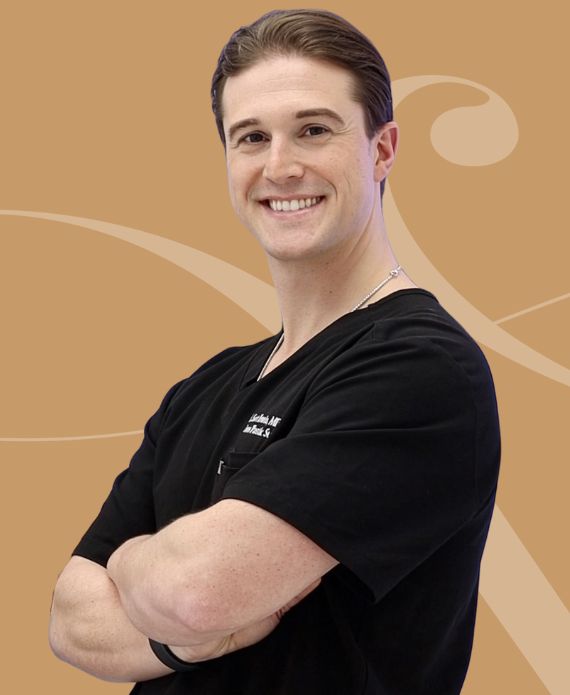
Dr. Vincent Riccelli
Dr. Vincent Riccelli is a plastic surgeon specializing in breast revision surgery, breast rejuvenation, and body contouring. His training includes Vanderbilt University School of Medicine, plastic surgery residency at UT Southwestern, and advanced international exposure to aesthetic surgery techniques.
For breast revision patients, Dr. Riccelli evaluates implant integrity, capsule condition, implant pocket, breast tissue, skin quality, nipple position, symmetry, and the patient’s current goals.
His approach is built around careful diagnosis, precise planning, safety, proportion, and individualized care.
Breast Revision FAQs
Frequently Asked Questions
What is breast revision surgery?
Breast revision surgery corrects concerns after a previous breast procedure, including implant rupture, capsular contracture, rippling, asymmetry, implant malposition, bottoming out, size dissatisfaction, or changes in breast shape.
Why is breast revision more complex than first-time augmentation?
Revision must account for scar tissue, the existing implant pocket, stretched skin, altered breast tissue, prior incisions, and the results of previous surgery.
Can breast revision correct capsular contracture?
Yes. Treatment may involve releasing or removing scar tissue, replacing the implant, changing the implant pocket, or combining these techniques depending on severity and anatomy.
Can visible implant rippling be improved?
Rippling may be improved by changing implant type or position, improving tissue coverage, adding fat transfer, or selecting a more appropriate implant profile.
What is bottoming out?
Bottoming out occurs when an implant drops too low and stretches the lower breast. Correction may include repairing and reinforcing the breast fold and repositioning the implant.
Can I change implant size during revision surgery?
Yes. Patients may choose smaller, larger, or differently shaped implants when anatomy and tissue support allow.
Can I remove my implants instead of replacing them?
Yes. Implant removal is an option. Some patients also benefit from a breast lift or fat transfer to improve shape after removal.
How do I know if my implant is ruptured?
Saline rupture often causes visible deflation. Silicone rupture may cause few symptoms and may require ultrasound or other imaging. Ennis Plastic Surgery offers complimentary AI-assisted breast implant screening with Dr. Riccelli.
Will I need a breast lift with revision surgery?
A lift may be recommended when there is significant skin laxity, low nipple position, tissue descent, or shape change that implant correction alone cannot address.
How long is recovery after breast revision?
Recovery depends on the procedure performed. A focused implant exchange may recover differently from capsulectomy, pocket reconstruction, lift surgery, or combined revision.
Can breast revision create a perfect result?
No surgeon can guarantee perfection. The goal is meaningful improvement within the limits created by anatomy, tissue quality, scar tissue, and prior surgery.
Can I see breast revision before-and-after photos?
Yes. Ennis Plastic Surgery maintains a breast revision before-and-after gallery featuring actual patient results.
A Clear Path Forward
Schedule a Breast Revision Consultation with Dr. Riccelli
If you are unhappy with a previous breast surgery result or concerned about implant changes, firmness, rupture, asymmetry, rippling, or position, Dr. Vincent Riccelli can help you understand the cause and your revision options.