

Ennis Plastic Surgery · Boca Raton
Facial Fat Transfer in Florida
Your own tissue for selected volume concerns
Explore facial fat transfer with Dr. L. Scott Ennis, with a plan shaped around where volume has changed and what your features need.
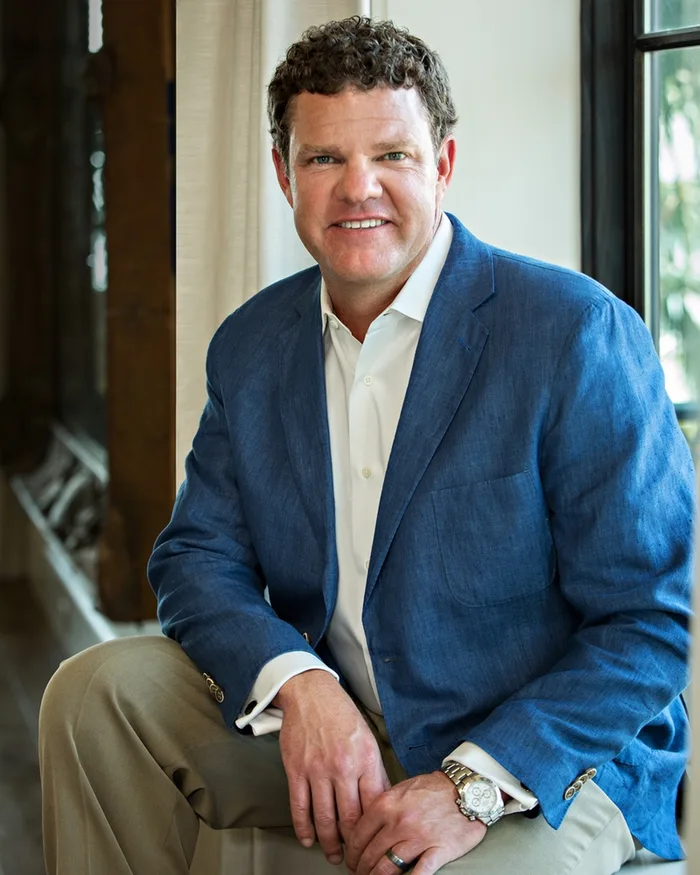
Procedure at a glance
- Surgeon
- Dr. L. Scott Ennis, MD, FACS
- Location
- Boca Raton, Florida
- Approach
- Facial fat transfer
- Consultation
- In-office or virtual
Dr. Ennis explains
Volume is one part of facial balance.
Facial fat transfer uses fat from another area of your body to add volume to selected facial areas. The practice’s guide discusses the cheeks, midface and temples, sometimes as part of a facelift plan.
This facial-aging overview explains the wider context. Volume loss and tissue descent deserve separate assessment before choosing a treatment.
 Watch Dr. Ennis explain
Broader facial-aging education with Dr. Ennis; this is not a demonstration of fat transfer.
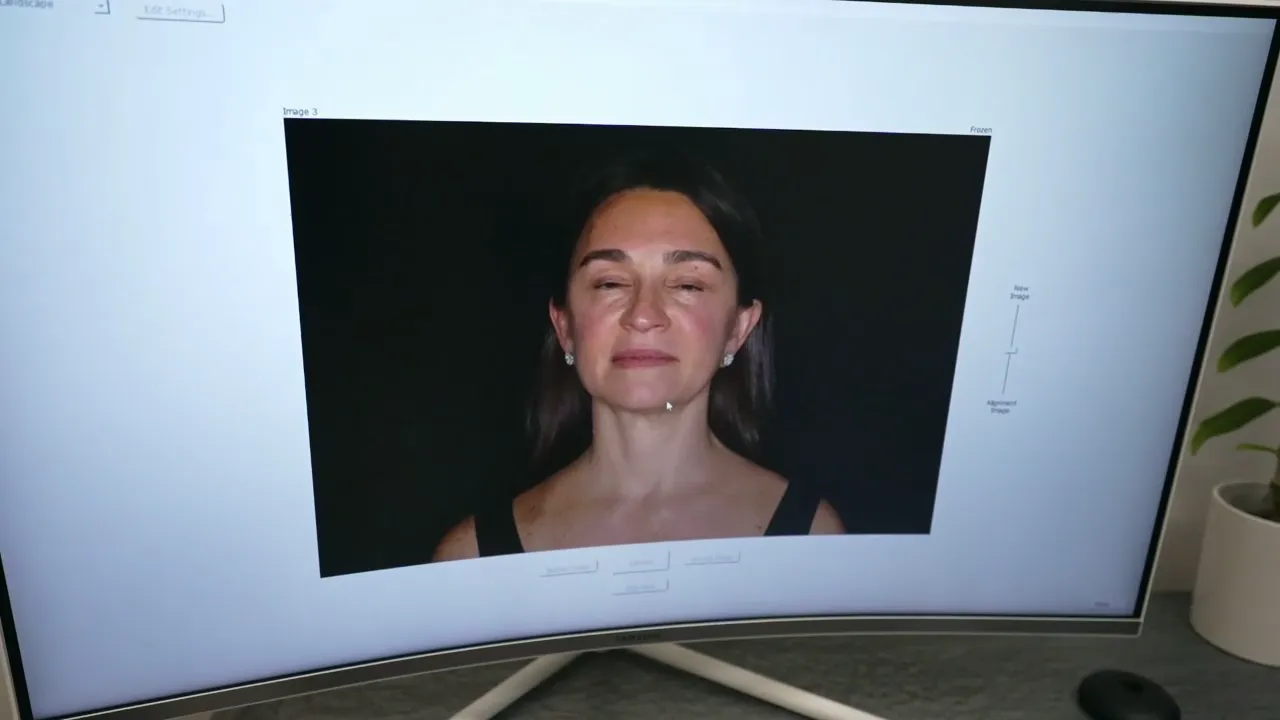

A personal decision
Is facial fat transfer right for you?
You may notice hollowing or a change in facial fullness. A consultation examines whether the concern reflects volume, tissue position, skin quality or a combination.
Your health, available donor tissue, previous procedures and expectations influence suitability. If the concern is mainly descended tissue, a facelift may have a different role from adding volume.
Your treatment options
Understand the approach.
Consider the differences.
Replacing volume in selected facial areas
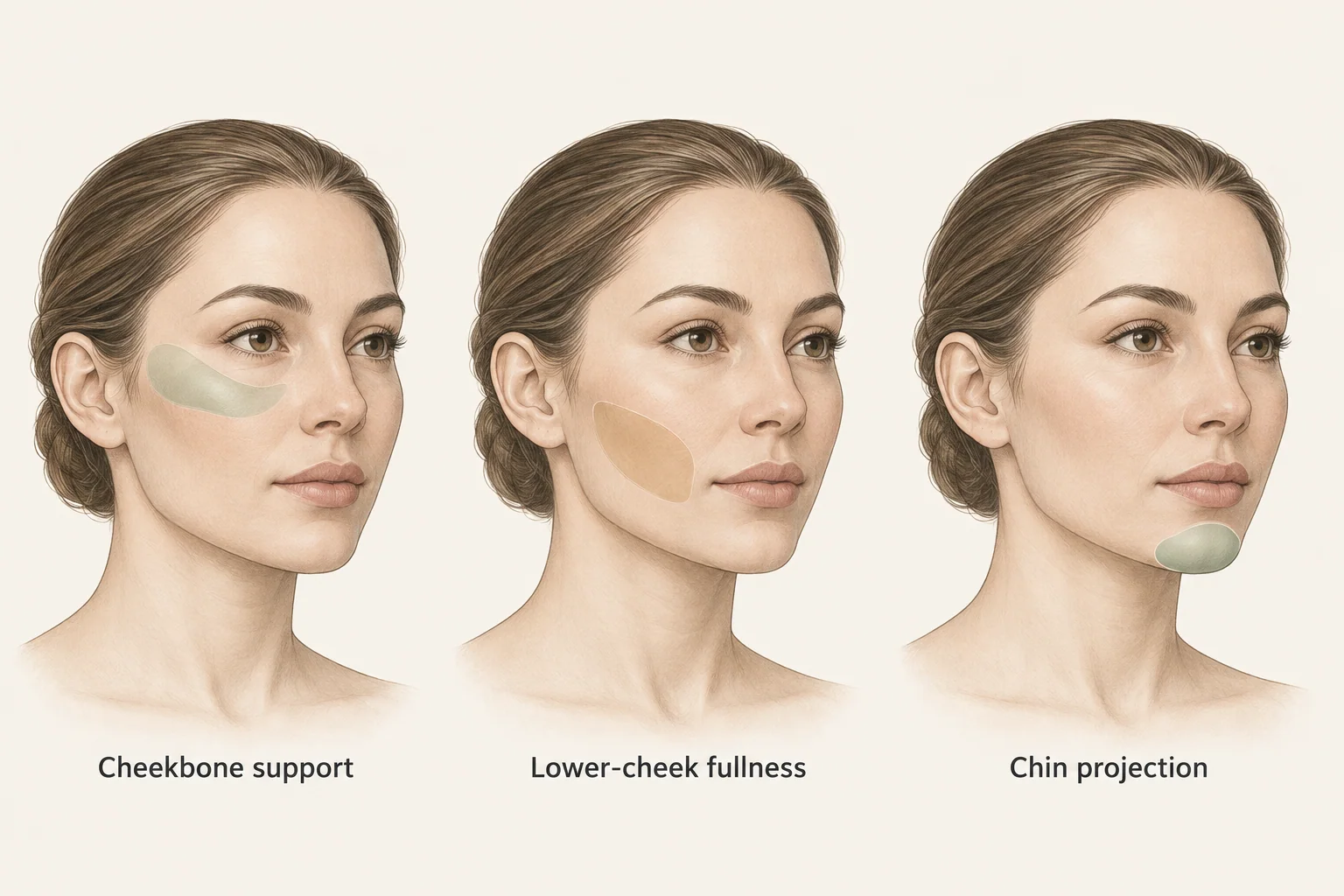
Facial fat transfer adds your own prepared fat to selected areas of volume loss. Cheek support and other areas are assessed together; not every highlighted region needs treatment.
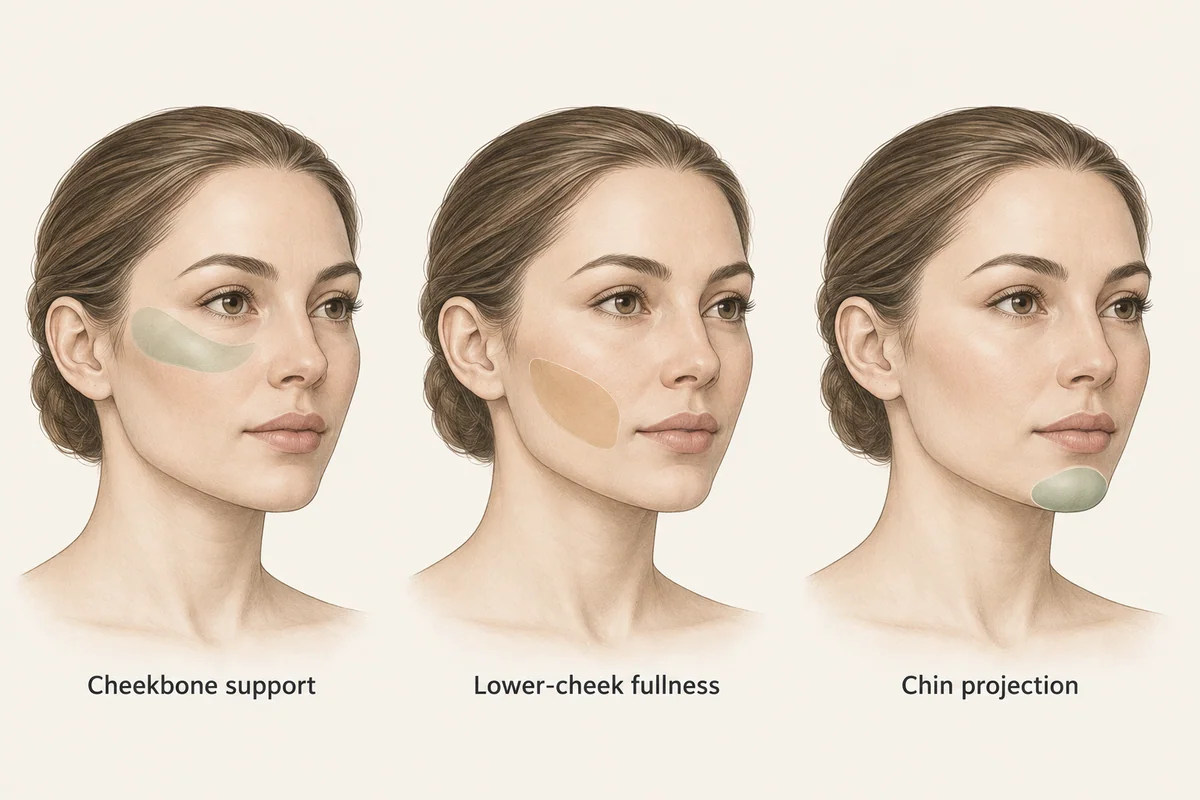
Adding volume and reducing volume are different goals.
The plan considers your face as a whole.
Fat transfer or fat grafting
Also called autologous fat transplantation or microlipoinjection, the procedure harvests a small amount of your own fat, prepares it and places it in selected facial areas.
The live guide describes the abdomen or thighs as possible donor sites and a fine cannula of approximately two millimeters. The actual donor area, access and placement depend on your plan.
Fillers & other approaches
Cheek augmentation may involve fillers, fat transfer or implants. These differ in the type of change, treatment process and recovery.
Fat transfer uses your own tissue, but that does not make it risk-free or guarantee that all transferred volume remains. Ask how the options compare for your anatomy and how a future adjustment would be managed.
Meet your surgeon
Dr. L. Scott Ennis,
MD, FACS.
Board-certified plastic surgeon.
Founder of Ennis Plastic Surgery.
At Ennis Plastic Surgery, the discussion begins with your features and the change you hope to make. Dr. Ennis’s background in art informs his interest in proportion and individual facial character.
Meet Dr. Ennis & explore his credentials Meet the Surgeon
A closer look
Your facial fat transfer guide.
Treatment areas & proportion
The goal is to address selected volume deficits while respecting existing facial contours. The cheeks, midface and temples each have different anatomy, and adding volume everywhere is not an appropriate default.
Photographs and examination help establish a plan. Discuss how the proposed volume relates to the lower eyelids, cheek projection and the rest of the face.
Fat transfer with a facelift
The published guide describes fat transfer being performed alongside facelift surgery. Lifting and adding volume serve different purposes and may be discussed together when both concerns are present.
Ask which areas will be treated, what each procedure is expected to contribute and how combined surgery changes recovery. A deep plane facelift does not automatically include fat grafting.
How results settle
Some transferred fat may not remain, and swelling initially affects the apparent volume. The amount retained and the need for a future adjustment vary.
Allow the team to assess healing over time. Weight change and aging continue to influence facial appearance after treatment.
Learn with Dr. Ennis
More detail.
At your own pace.
 Watch the discussion
Related education about the midface; this discusses lifting and adjacent structures rather than demonstrating fat transfer.
From consultation to recovery
From donor area to face
The surgeon removes a small quantity of fat from the selected donor area, prepares it and places it through small access points in the face. Both the donor site and treated facial areas need aftercare.
The existing guide gives approximately 30 minutes for a limited treatment, but the number of areas and any accompanying surgery change the schedule. Confirm the anesthesia, expected duration and preparation for your own plan.

Plan for both treatment areas.
Swelling, bruising and discomfort may affect the face and donor area. Follow the instructions for those separate sites, and ask when work, exercise and social activities are appropriate.
Early fullness is not a reliable measure of the final retained volume. Keep follow-up appointments and discuss changes as swelling settles.
Understand the risks.
Possible risks include bleeding, infection, asymmetry, contour irregularities, fat loss, persistent swelling and the need for additional treatment. Facial injection also carries rare but serious vascular risks. Discuss the anatomy, technique and alternatives with your surgeon.
This is not a complete list. Ask which risks apply to your health and treatment, how concerns would be managed and whom to contact during recovery.
Making an informed choice
Choosing the Best Facial Fat Transfer Surgeon in Florida for You
Look for relevant qualifications, a clear explanation of your options and a plan for care before and after treatment.
Dr. L. Scott Ennis, MD, FACS
View credentials & recognition
Board certification
American Board of Plastic Surgery
Listed in Dr. Ennis’s Florida Department of Health profile.
View physician recordSelected recognition · 2024
The Boca Raton Observer
Featured in the publisher’s Castle Connolly Top Docs 2024 special advertising section.
View publisher’s profileVerify the qualifications.
Confirm the surgeon’s relevant board certification and training. Ask about their experience with facial surgery and with the specific technique being recommended.
Look at comparable cases.
Review actual patients with concerns similar to yours. Ask which procedures were performed together and when the photographs were taken. A single image cannot predict your own result.
Understand the recommendation.
Ask the surgeon to connect the proposed approach to your anatomy and goals. A useful consultation should explain alternatives, limitations and the option of postponing treatment.
Ask about safety and aftercare.
Discuss the surgical facility, anesthesia team, risks and follow-up arrangements. Know whom to contact after surgery and how concerns would be assessed.
Questions worth asking
Learn more.
Decide in your own time.
Facial Fat Transfer questions to bring to your consultation.
Where does the transferred fat come from?
The practice’s guide discusses the abdomen or thighs. The donor site depends on your anatomy and treatment plan.
Is fat transfer the same as a facelift?
No. Fat transfer adds selected volume, while a facelift repositions tissues. They may be discussed together when both concerns are present.
Does all of the transferred fat remain?
No fixed retention can be promised. Some volume may be lost, and the result is assessed after swelling and healing settle.
Can it replace cheek implants?
They address different needs. Fat adds soft-tissue volume; an implant changes projection and structural contour. A consultation should explain which, if either, fits your concern.
Keep exploring
Consider the whole picture.

Ennis Plastic Surgery · Beautiful Medicine™
A considered plan starts
with a conversation.
Or call 561-405-9020